
Two Nations at War, One Podium
This morning, Iranian President Masoud Pezeshkian addresses the United Nations General Assembly in New York, roughly 24 hours after President Trump used the same podium to present Iran with what he called a stark choice: a deal that would let the country "rebuild and create a far greater country than it ever was before," or, in his words, being annihilated "quickly." The two speeches, delivered a day apart from the same stage, capture an unusual diplomatic moment — leaders of two nations locked in an active war, each making their case to the world from identical ground.
Threats and Talks, Side by Side
Trump's Tuesday remarks tied any resolution to timing well outside diplomatic norms, telling assembled world leaders he expected a deal to come only after November's U.S. midterm elections, framing Iran's leadership as watching his political fortunes before deciding whether to negotiate seriously. Pezeshkian, arriving in New York shortly after those remarks, is expected to lay out Iran's account of the conflict and its grievances over what officials describe as a broken trust in international institutions — a message that gains particular weight given a UN Human Rights Council report released last week finding "reasonable grounds to believe" that U.S. strikes in February against an Iranian school and residential area constituted indiscriminate attacks.
Beneath the public rhetoric, a quieter diplomatic track has been running in parallel. Trump's special envoy Steve Witkoff confirmed that U.S. and Iranian delegations held lengthy indirect talks through mediators on the sidelines of the assembly Tuesday, addressing the reopening of the Strait of Hormuz, an end to the U.S. naval blockade, the release of frozen Iranian assets, and a broader end to hostilities. Iran's foreign minister, Abbas Araghchi, met separately today with Witkoff and White House advisor Jared Kushner. Trump indicated another meeting is already being arranged, even as his own public remarks kept the threat of further military action explicitly on the table — leaving this year's General Assembly holding both open war and open negotiation in the same 48-hour window.
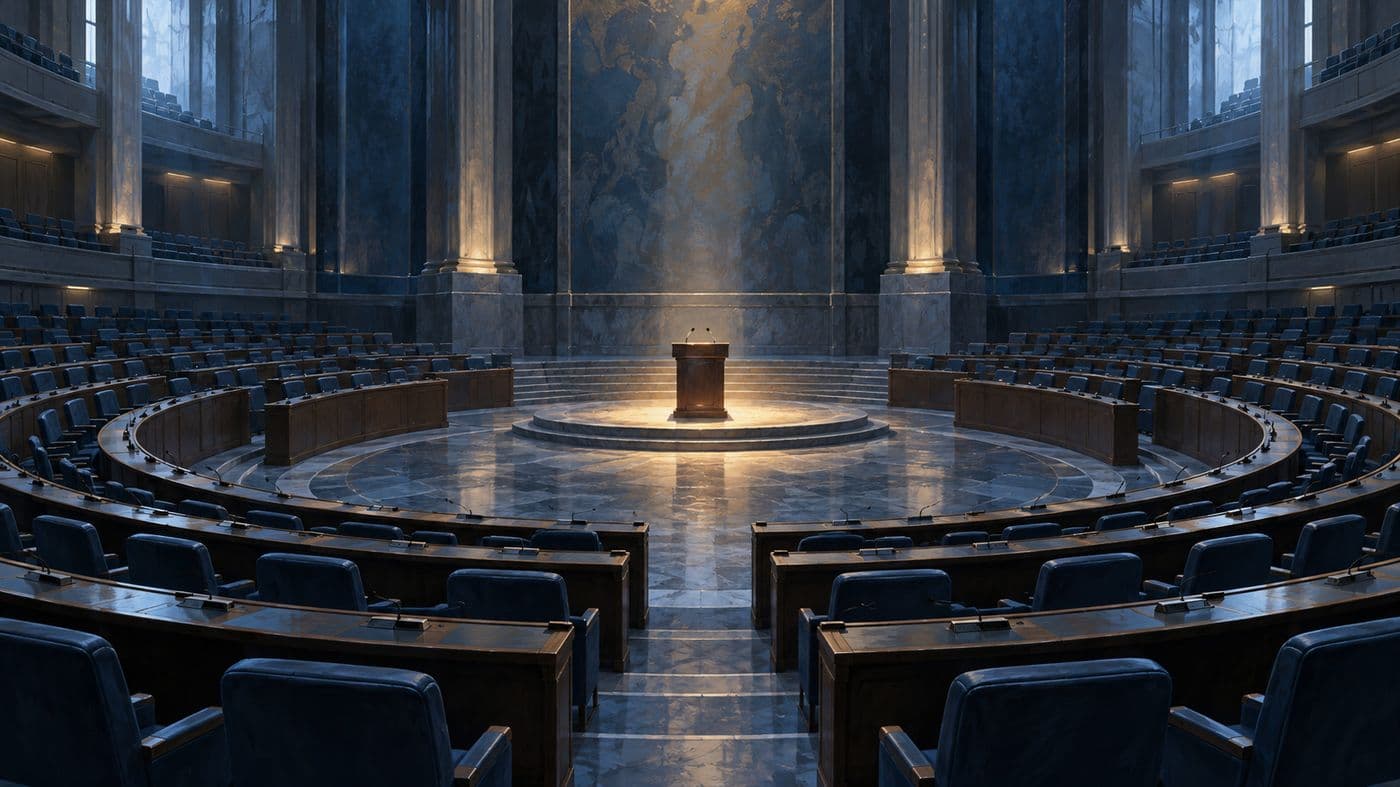
Moments like this one are rare precisely because active combatants so rarely share a stage at all, let alone one built explicitly for dialogue between nations. Whether today's speech marks a genuine turning point toward the quieter diplomatic track underway on the sidelines, or simply another chapter in a war now approaching its eighth month, is likely to depend far less on what's said from the podium today than on what happens in the rooms where Witkoff, Araghchi, and Kushner are still talking.