
Thirty Years Later, an Ending
Today, September 13, marks 30 years since Tupac Shakur died in a Las Vegas hospital, six days after a drive-by shooting on the Strip ended his life at 25. For 29 of those anniversaries, his murder remained formally unsolved — one of the most notorious open cases in American music history. This year is different. Less than two weeks ago, a Las Vegas jury convicted Duane "Keffe D" Davis of orchestrating that shooting, making this the first September 13 in three decades to arrive with the case closed.
A Case Finally Closed, Just in Time
Shakur was shot four times on September 7, 1996, while riding as a passenger in a car driven by Death Row Records head Suge Knight, hours after a violent altercation between Shakur's entourage and Davis's nephew in the lobby of the MGM Grand. He died six days later, on September 13, at University Medical Center in Las Vegas, of respiratory failure following the removal of a lung. No one was charged for nearly three decades, despite Davis himself repeatedly describing his role in the killing across interviews and a 2019 memoir. On August 31 of this year, a jury took less than three hours to convict him of first-degree murder, following closing arguments in which prosecutors argued Davis had armed the shooter in retaliation for the beating of his nephew. He faces up to life in prison at his October 13 sentencing.
In a statement following the verdict, Shakur's family struck a note that feels especially resonant today: "While this verdict is decades in the making, this is not the end of the story. Tupac's legacy and impact on the world lives on and we will continue to do everything we can to keep his spirit alive." That distinction matters. A courtroom verdict answers a legal question that has hung over this date for 30 years, but it was never going to be the reason Shakur is remembered. That reason arrived decades ago, in the music itself — a catalog that has only grown in stature and influence since 1996, still shaping how several generations of artists after him think about voice, vulnerability, and defiance in hip-hop.
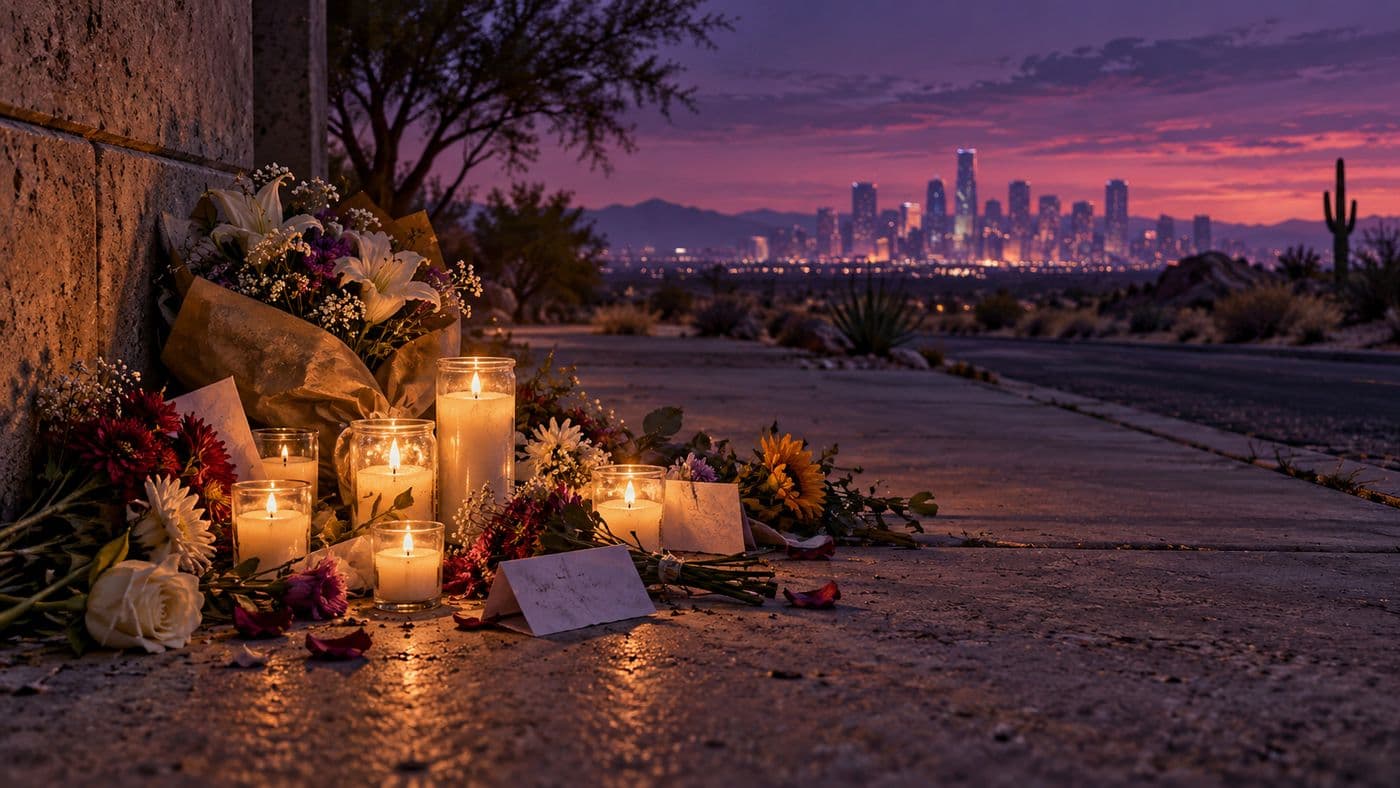
Thirty years is long enough that Shakur's entire life, 25 years, now fits inside the span of time since his death. He has been gone longer than he was alive. And yet his music remains a fixture — sampled, studied, and still selling, still shaping the sound and posture of hip-hop artists who weren't born when he died. This anniversary won't be the last time his name dominates a September news cycle. But it may be remembered as the one where, for the first time, grief and justice arrived on the same day.