
Thirty Years Later, a Verdict
On Monday, a Las Vegas jury took less than three hours to do what investigators couldn't manage in nearly thirty years: hold someone accountable for the murder of Tupac Shakur. Duane "Keffe D" Davis, 63, was found guilty of first-degree murder with use of a deadly weapon in the September 7, 1996 drive-by shooting that killed the 25-year-old rap icon on the Las Vegas Strip. It is the first — and so far only — conviction in a case that has fueled conspiracy theories, documentaries, and endless speculation since the night it happened.
The Case That Took Three Decades
Prosecutors never claimed Davis pulled the trigger. Instead, they told jurors he was the "shot caller" for the South Side Compton Crips who, after his nephew was beaten by Shakur's entourage in a Las Vegas casino earlier that night, armed a gunman in the back seat of a white Cadillac and went hunting for revenge. For decades, nobody faced charges — until Davis himself began talking, in police interviews and a 2019 memoir, placing himself inside that Cadillac. Those admissions, evolving over the years but consistent on the essential point, became the spine of the prosecution's case. Davis did not testify in his own defense; his attorney argued the confessions were embellishments chased for money and notoriety, unsupported by physical evidence.
The verdict landed with the weight of thirty years behind it. Tupac Shakur's sister, Sekyiwa "Set" Shakur, wept and embraced prosecutors as jurors were polled one by one, each affirming "guilty." In a statement, the Shakur family said the moment was "decades in the making" but "not the end of the story" — that Tupac's legacy would continue regardless of the courtroom outcome. Judge Carli Kierny ordered Davis held without bond ahead of an October 13 sentencing, where he faces up to life in prison. He has indicated he plans to appeal.
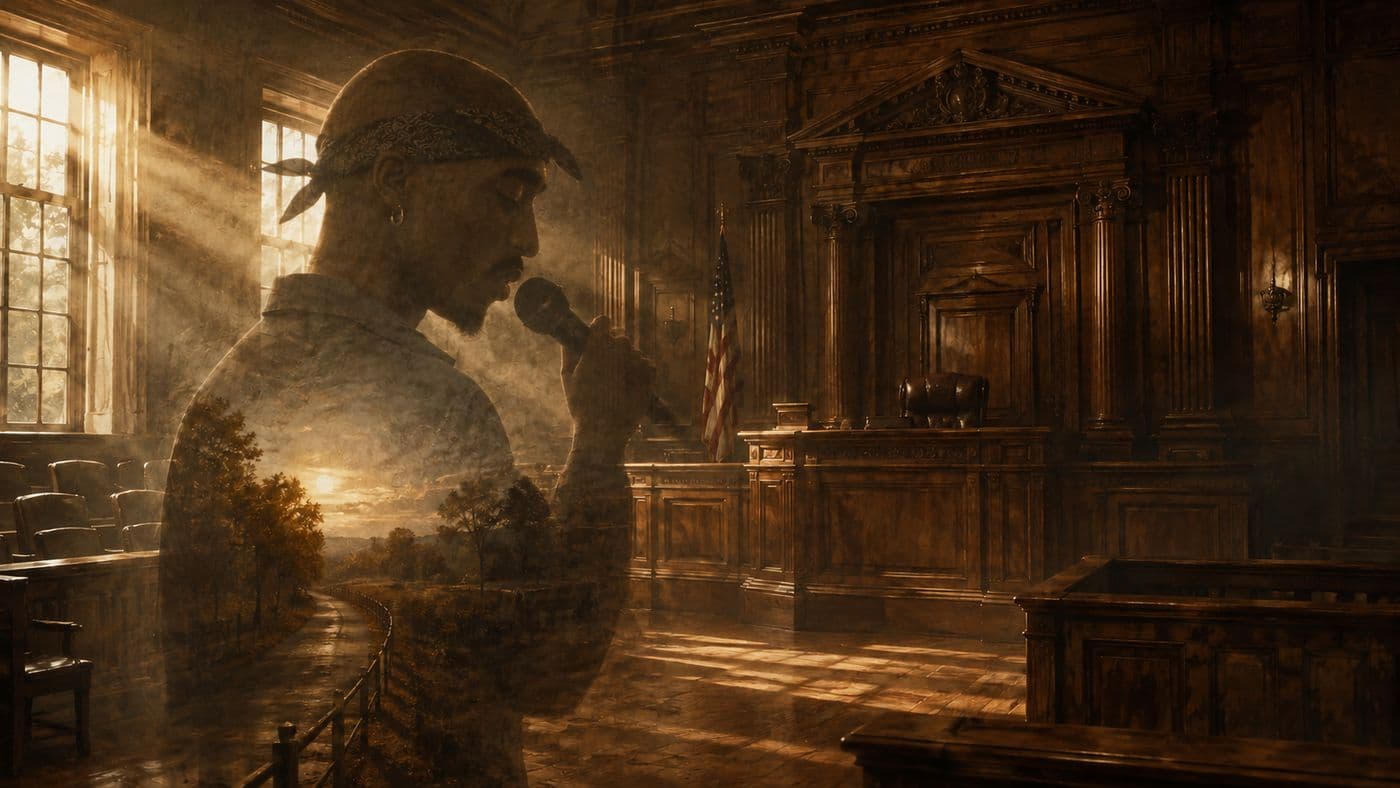
The timing carries its own weight. In less than two weeks, on September 13, the anniversary of Tupac's death will arrive for the first time with someone held legally responsible. Few artists have shaped popular culture as forcefully in death as in life — his catalog has only grown in influence since 1996, introducing new generations to a voice that helped define an entire era of hip-hop. For a case that had come to symbolize an unsolved wound in music history, Monday's verdict doesn't close the story. But it answers a question that has hung over it for thirty years.