
The Woman Who Named the Movement
This morning, Gloria Steinem's foundation announced that she died yesterday, peacefully, at her home in New York City, surrounded by loved ones. She was 92. For more than half a century, Steinem was less a spokesperson for the women's movement than one of its architects — a journalist who turned her own reporting into activism, and activism into a magazine, and a magazine into an institution that reshaped how American culture talked about women's lives.
From Undercover Bunny to Movement Icon
Steinem's path to becoming the public face of American feminism began, improbably, in a bunny costume. In 1963, working undercover as a Playboy Club waitress for a magazine exposé, she documented the exploitative pay and working conditions behind the club's glamorous image — early proof of a reporting instinct that would define her career: get inside the story, then use it to make an argument. By the late 1960s she had become a leading voice of the women's liberation movement, and in 1972 she co-founded Ms. magazine, one of the first mainstream publications to move past homemaking and beauty coverage and address women's political, economic, and sexual lives directly. The first issue sold out its entire national newsstand run in eight days.
What followed was decades spent as the movement's most visible organizer and its most quoted voice — touring the country to speak on reproductive rights and equal pay, co-founding the National Women's Political Caucus, and mentoring generations of feminist writers and organizers who followed her. Her influence extended well beyond any single cause; Steinem helped establish the vocabulary an entire era used to talk about gender, work, and power. In a statement, her foundation wrote that "Gloria's greatest gift was her ability to listen to others, to make others feel seen and heard," and that her words and example "gave people permission to be their truest selves."
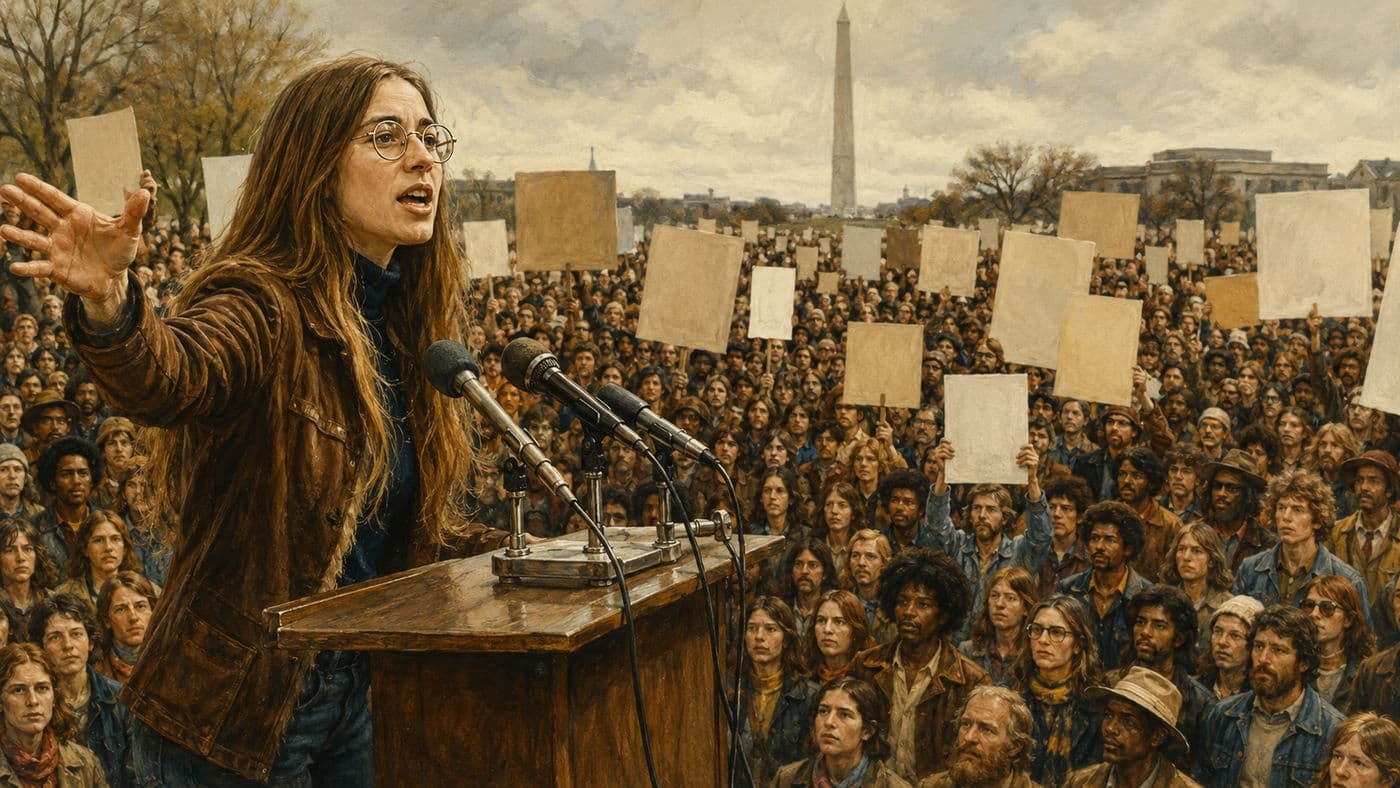
Steinem lived long enough to watch the movement she helped build evolve through multiple generations, debates, and definitions of feminism — and she remained a public presence through nearly all of it, publishing, organizing, and speaking well into her later decades. Her death closes out one of the defining biographies of 20th-century American journalism and activism, but the institutions she helped build, from Ms. magazine to the political infrastructure of the women's movement, remain very much part of the world she leaves behind.