
logo

The Power of Belief

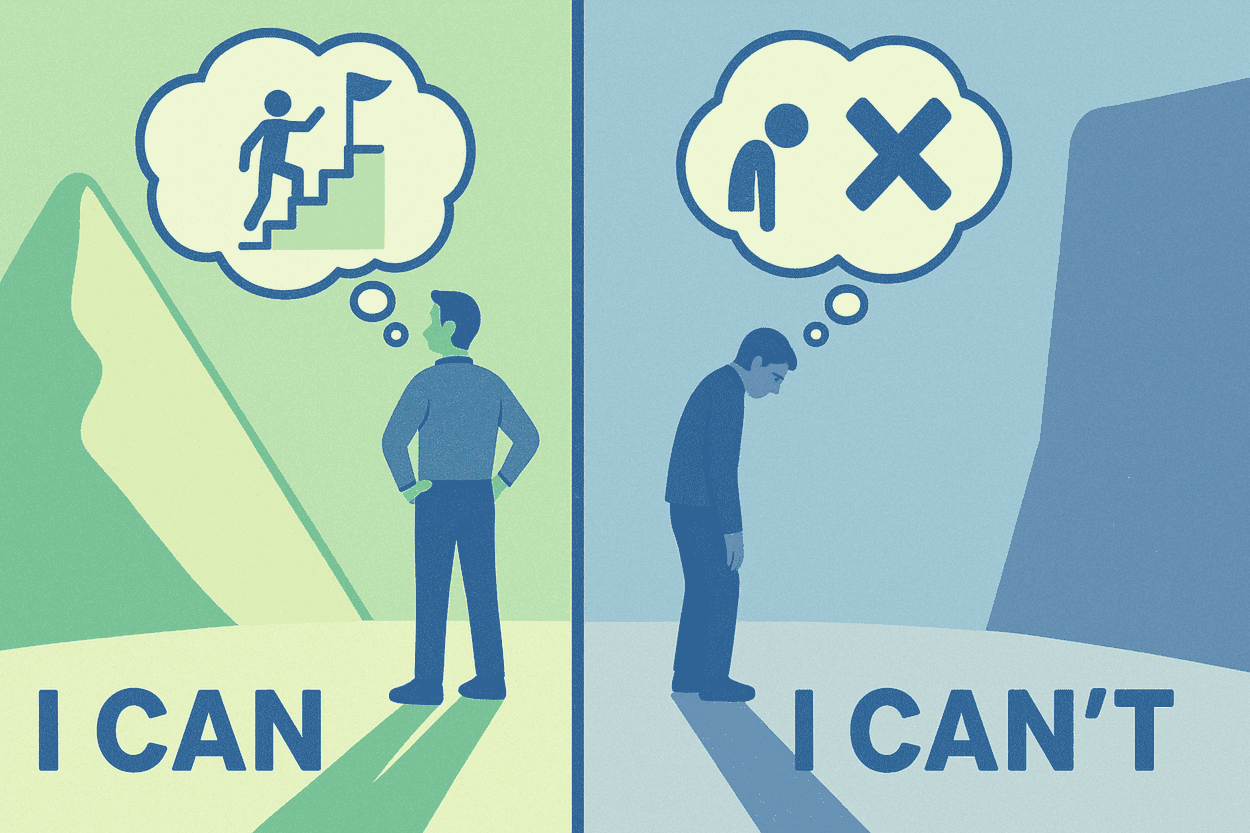
Split image of I can versus I cant attitude

"Whether you think you can or think you can't, you're right."

— Henry Ford

Henry Ford (1863-1947) was an American industrialist and business magnate who founded the Ford Motor Company. His introduction of the Model T automobile and innovative mass-production techniques revolutionized transportation and American industry. Ford was known for his determination to make automobiles affordable for the average person, and his business philosophy emphasized efficiency, reduced costs, and higher wages for workers—ideas that helped create the modern middle class.

Success and Leadership
Personal Growth
Resilience and Courage

Context

Ford's quote captures a fundamental truth about human achievement that he exemplified throughout his career. When he proposed creating an affordable automobile for the average American, most thought it impossible. Ford's resolute belief in the possibility—his conviction that he "could"—became a self-fulfilling prophecy that transformed American transportation. His quote isn't simply about positive thinking; it's about how our mindset creates boundaries or possibilities that often become reality. Beliefs shape our perceptions, drive our actions, and ultimately determine what we attempt and achieve. Ford understood that limitations often exist first in our minds before they manifest in reality, and conversely, that extraordinary accomplishments begin with the belief they're possible.

Today's Mantra

My beliefs create my reality; I choose to believe in possibility.

Reflection Question

What goal or aspiration have you been thinking you "can't" achieve? How might your actions and outcomes change if you genuinely believed that you could accomplish it?

Application Tip

Practice "belief experimentation" by selecting one area where limiting beliefs hold you back. For two weeks, commit to acting "as if" you fully believed in your capability, even if doubts remain. Document specific actions you take under this experimental mindset and note any differences in outcomes or experiences. Consider questions like: "What would I do differently today if I absolutely knew I could succeed?" and "What action would a person who believed they could achieve this goal take right now?" Use these answers to guide your daily choices.