
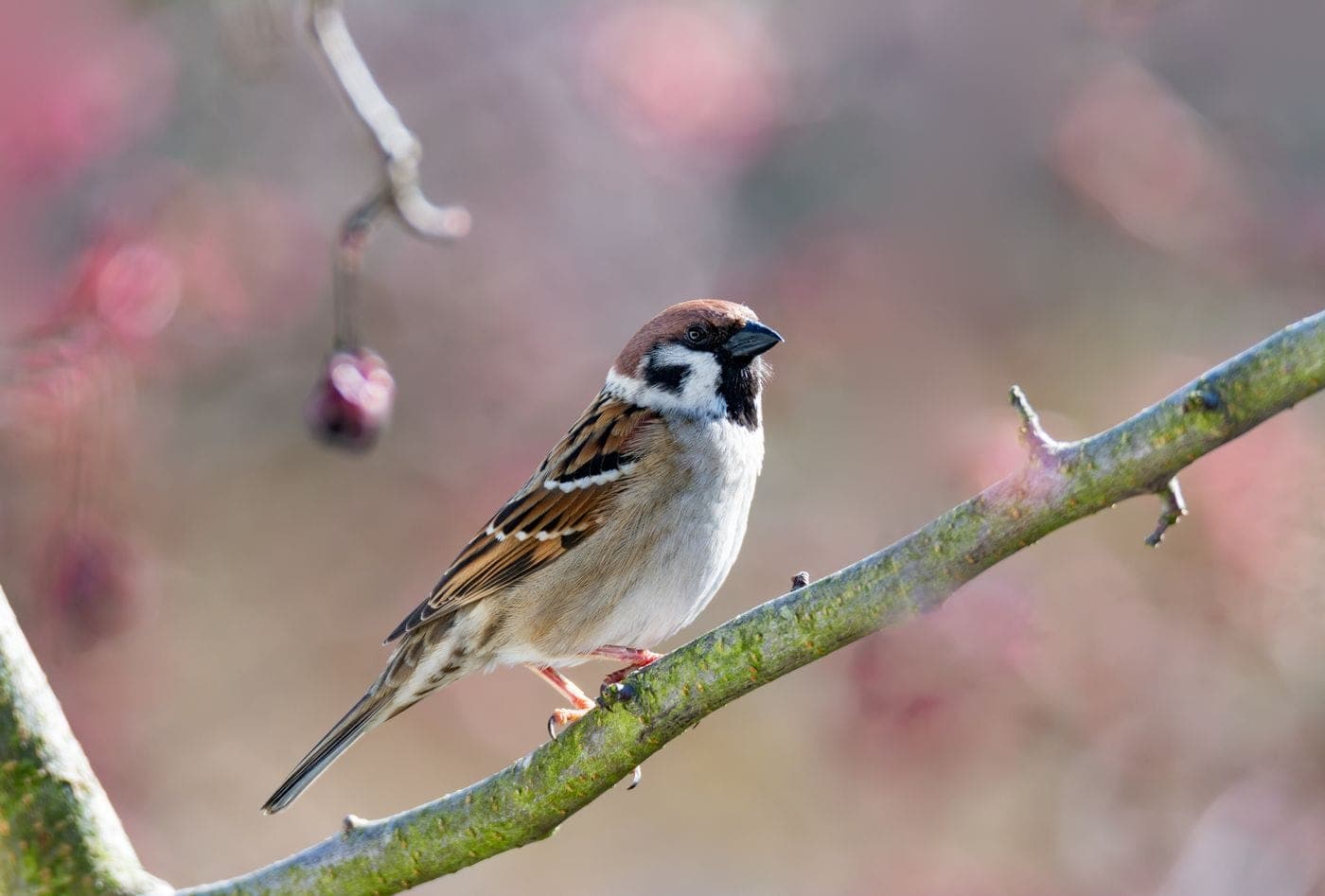
In 1958, Mao Zedong declared war on sparrows. Not metaphorically. The Chinese government officially designated the Eurasian tree sparrow as one of four "great pests" — alongside rats, flies, and mosquitoes — and ordered every citizen in the country to participate in its eradication. What followed was one of the most ecologically catastrophic decisions in human history, executed with breathtaking efficiency by a population of hundreds of millions.
The logic was straightforward: sparrows ate grain. China needed grain. Therefore, no sparrows meant more grain. Citizens were mobilized to bang drums, wave flags, and make constant noise to prevent sparrows from landing — keeping them airborne until they fell from exhaustion and died. Nests were destroyed. Eggs were smashed. Children were sent into fields to chase birds. The campaign was a stunning success. Within a year, the sparrow population had been devastated across China.
What nobody had accounted for was what sparrows actually ate. Yes, they ate grain. But they also ate locusts — enormous quantities of locusts — along with other insects that fed on crops. With the sparrows gone, locust populations exploded completely unchecked. Swarms descended on fields across China, consuming crops on a scale that no sparrow could ever have matched. The very pest the campaign was designed to protect against had been handed an ecological free pass.
The timing could not have been worse. The sparrow campaign ran alongside other agricultural policies under Mao's Great Leap Forward — forced collectivization, unrealistic production quotas, and widespread misreporting of yields that left the government believing food supplies were healthy when they weren't. The locust explosion hit a food system that was already failing. Between 1959 and 1961, China experienced one of the deadliest famines in recorded history, killing an estimated 15 to 55 million people.
The sparrow campaign was quietly abandoned in 1960 when ornithologist Zheng Zuoxin — at significant personal risk — presented evidence of the ecological damage it had caused. Mao replaced sparrows on the pest list with bedbugs. By then, the locusts had already done their work.
The campaign is now studied in ecology classrooms worldwide as a textbook example of trophic cascade failure — what happens when you remove one species from an ecosystem without understanding its role in the chain. The sparrows weren't stealing China's grain. They were protecting it. And the decision to kill them, made at the highest level of government and carried out by hundreds of millions of people with extraordinary dedication, helped trigger a famine that killed more people than any war in the 20th century.