
A Record-Late Hurricane Takes Aim
Hurricane Isaias is strengthening in the Gulf of Mexico this morning, with landfall expected late Friday or early Saturday somewhere between Mississippi and the Florida Panhandle. The National Hurricane Center is forecasting a Category 1 or 2 hurricane at landfall, with hurricane warnings posted from Ocean Springs, Mississippi, to the Bay/Gulf County line in Florida. If the forecast holds, it will be the first hurricane to strike the Lower 48 since Hurricane Milton in 2024.
A Season That Started Late, and Fast
Isaias arrives at the end of a strangely quiet season. An El Niño pattern has kept hostile wind shear over much of the Atlantic, producing a record-slow start, and Isaias became the basin's first hurricane late Wednesday, later than any first hurricane since satellite records began in 1966. The previous record holders were Hurricane Gustav in 2002 and Hurricane Humberto in 2013. Then the storm found ideal conditions: Gulf waters that are near record warm for this time of year and a very moist atmosphere. Forecasters expect it to intensify rapidly before increasing wind shear near the coast takes some of the edge off, though the hurricane center has cautioned that it isn't certain how fast the winds will fade.
The risk is concentrated in the water. Forecasters are calling for a life-threatening storm surge from the mouth of the Mississippi River to Steinhatchee, Florida, with surge of 5 to 7 feet forecast around Mobile Bay and along the coast from Ocean Springs to Indian Pass, Florida. Rainfall of 3 to 7 inches, locally up to 10, could cause flooding as far inland as the Tennessee Valley. Florida has declared a state of emergency, mandatory evacuations and school closures are underway in parts of the state, and the Alabama beach towns of Gulf Shores and Orange Beach have urged residents to leave voluntarily. The storm has also reached the energy market: roughly a quarter of Gulf offshore oil production, about 511,000 barrels a day, has been shut in, at a moment when global oil markets are already strained by the war with Iran.
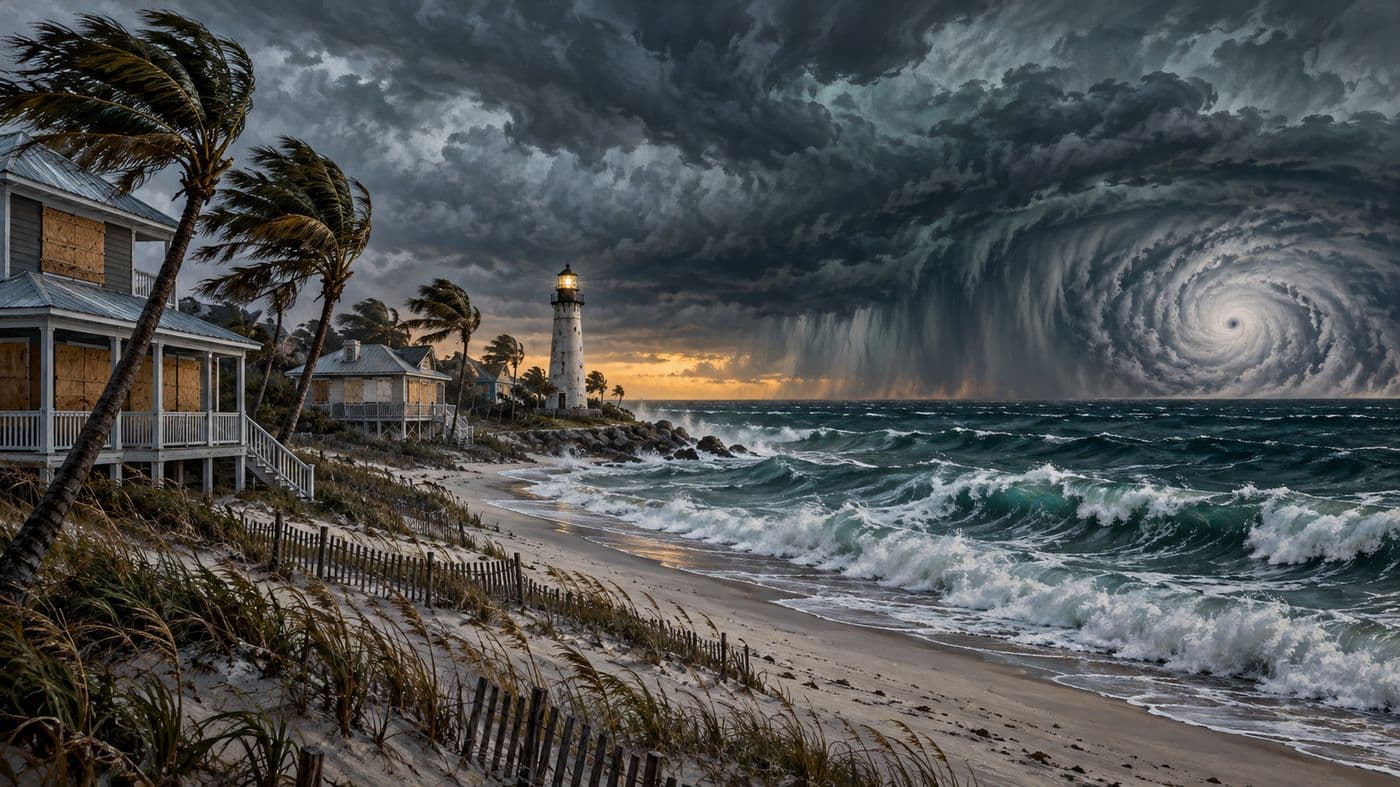
October has a long record of delivering late-season surprises to the Gulf Coast. Hurricane Opal slammed into the Florida Panhandle in October 1995, and Hurricane Michael struck near Mexico Beach in October 2018 at devastating strength. Isaias is forecast to be weaker than Michael, but history is a reminder that a hurricane's category is only part of the story, and that surge and rain often do the most harm. Residents in the warning area should follow their local emergency officials and the National Hurricane Center's updates, and act on any evacuation order well before conditions deteriorate on Friday.