
logo

Simplicity's Hidden Wisdom

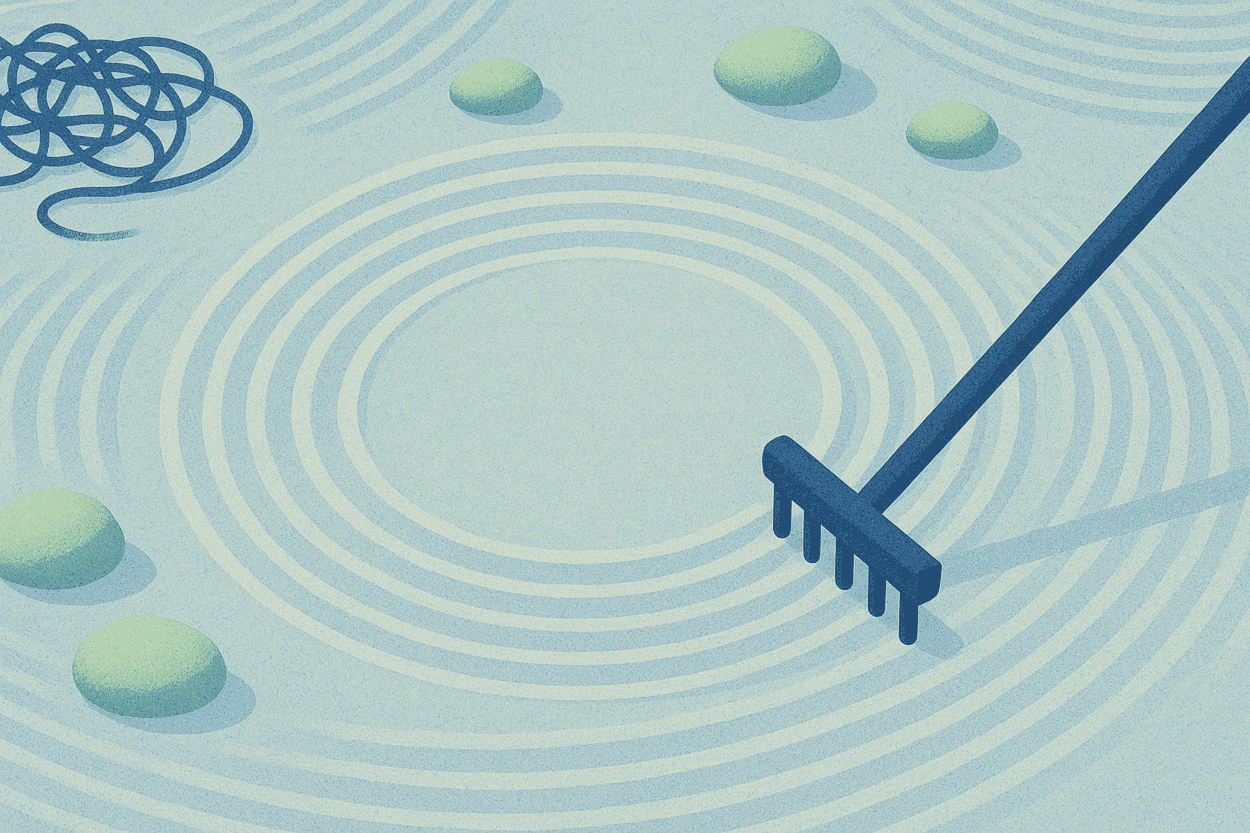
A zen garden with concentric circles

"Life is really simple, but we insist on making it complicated."

— Confucius

Confucius (551-479 BCE) was a Chinese philosopher, teacher, and political figure whose ideas have profoundly influenced East Asian thought and social practice for over two millennia. Born during a time of political instability, Confucius developed a philosophical system emphasizing personal and governmental morality, correctness of social relationships, justice, and sincerity. His teachings were later compiled in the Analects by his followers. Confucianism became the official imperial philosophy of China and was integral to Chinese education for centuries. His enduring influence on Chinese and East Asian culture, social ethics, government, family relations, and education has earned him recognition as one of history's most influential thinkers.

CLARITY
MINDFULNESS
WISDOM

Context

This quote captures a central tenet of Confucian philosophy—that harmony and clarity emerge from embracing simplicity rather than complexity. Confucius taught during a period of political chaos in ancient China, observing how human desires, ambitions, and elaborate thinking often created unnecessary suffering. His philosophy emphasized straightforward principles like respect for elders, honesty, and loyalty as the foundation for a well-ordered society and fulfilling life. The quote reflects Confucius's belief that humans create most of their own problems through overthinking, excessive desires, and artificial social complications. His solution was not ignorance but wise discernment—distinguishing essential principles from unnecessary elaborations.

Today's Mantra

I choose simplicity and clarity in all that I do.

Reflection Question

In what areas of your life have you created unnecessary complexity? Consider your schedule, relationships, goals, or possessions. What simple truths or principles might you be overlooking while pursuing complicated solutions or explanations?

Application Tip

Conduct a "simplicity audit" of one area in your life this week. Choose your physical space, digital environment, schedule, or a specific project. Identify at least three ways you've added unnecessary complexity. For each complication, ask: "What is the simplest way to approach this?" Experiment with simplifying by removing one unnecessary obligation from your calendar, decluttering a small space, or reducing a multi-step process to fewer steps. Notice how simplification affects your mental clarity and sense of well-being.