
logo

Power of Self-Belief

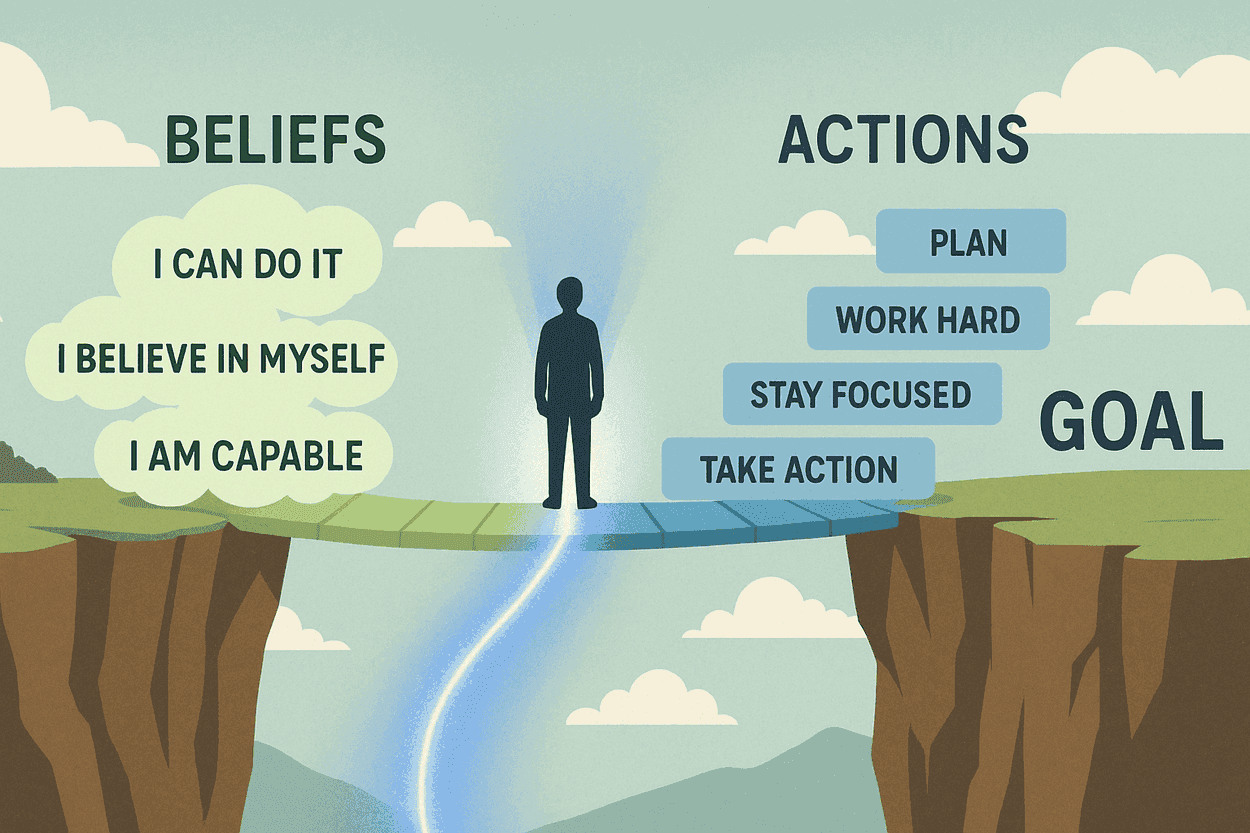
A person crossing a bridge towards their goals

"Believe you can, and you're halfway there."

— Theodore Roosevelt

Theodore Roosevelt (1858-1919) served as the 26th President of the United States from 1901 to 1909. Born into wealth but plagued by severe asthma as a child, Roosevelt transformed himself through sheer determination into a robust outdoorsman, soldier, and political force. His remarkable life included roles as New York City Police Commissioner, Assistant Secretary of the Navy, Colonel of the Rough Riders, Governor of New York, Vice President, and President. A Nobel Peace Prize recipient, conservationist, and trust-buster, Roosevelt overcame significant personal and political obstacles throughout his life. His personal motto—"Believe you can and you're halfway there"—reflected his unwavering confidence in the power of self-belief to overcome seemingly insurmountable challenges.

Resilience and Courage
Personal Growth
Mindfulness

Context

This quote reflects Roosevelt's personal journey from sickly child to legendary figure of vitality and achievement. Rather than mere motivational rhetoric, Roosevelt's words emerged from his lived experience of transforming his physical condition through deliberate mental attitude and persistent action. By stating that belief puts you "halfway there," Roosevelt acknowledged that self-confidence alone isn't sufficient—action remains essential. However, he recognized that without the foundation of belief, the necessary actions rarely follow. Roosevelt understood that many capable people fail not from lack of ability but from lack of belief in their ability. His insight aligns with modern psychological research on self-efficacy, which demonstrates how our beliefs about our capabilities significantly influence our performance, perseverance, and the goals we choose to pursue.

Today's Mantra

My belief in my capabilities creates the foundation for every achievement I build.

Reflection Question

What goal or aspiration have you dismissed as "not possible for me," and how might your progress change if you fully believed in your ability to achieve it?

Application Tip

Practice "Belief Reconstruction" by identifying a goal where self-doubt has limited your progress. Create a detailed written narrative of yourself successfully achieving this goal, including how you overcame obstacles along the way. Read this narrative aloud each morning for 21 days. Additionally, collect specific evidence of your capabilities related to this goal—past successes, transferable skills, or positive feedback—and review this evidence whenever doubt surfaces. Track how this deliberate belief-building affects your actions and progress toward the goal.