
October 30: Tragedy on Spain’s First High-Speed Line
Spain is in mourning after a high-speed train crashed into the back of another train stopped on the tracks Wednesday morning, killing at least 68 people and injuring about 100 more. The collision happened near the town of Urda, in Toledo province, on the line between Madrid and Seville. It came just nine months after another deadly high-speed crash in southern Spain, and it has raised hard questions about the safety of one of the world’s most admired rail networks.
An “Inexplicable” Order
Both trains were heading south from Madrid toward Seville. According to Transport Minister Óscar Puente, a computer failure first forced six trains on the line to stop, including the two involved in the crash. Rail traffic control then cleared a train operated by the state rail company Renfe, carrying 397 passengers, to start moving again without any speed restrictions. It traveled about 15 miles before striking the rear of a stopped train operated by the private company Iryo, which was carrying 146 passengers, including a baby. Two cars derailed. Puente called it “inexplicable” that the order to restart was given, and investigators are now focused on that decision. Regional officials said 24 people died on the moving train and 44 on the stopped one. Several U.S. citizens were among the injured.
The crash is a second blow to Spain this year. In January, a train operated by Iryo derailed near Adamuz in southern Spain and collided with an oncoming Renfe train, killing 45 people. Wednesday’s collision, involving trains from the same two companies, has now passed that toll, making it the country’s deadliest rail accident since 2013, when 80 people were killed in a derailment near Santiago de Compostela. Service between Madrid and Andalusia has been suspended while rescue crews and investigators work at the scene.
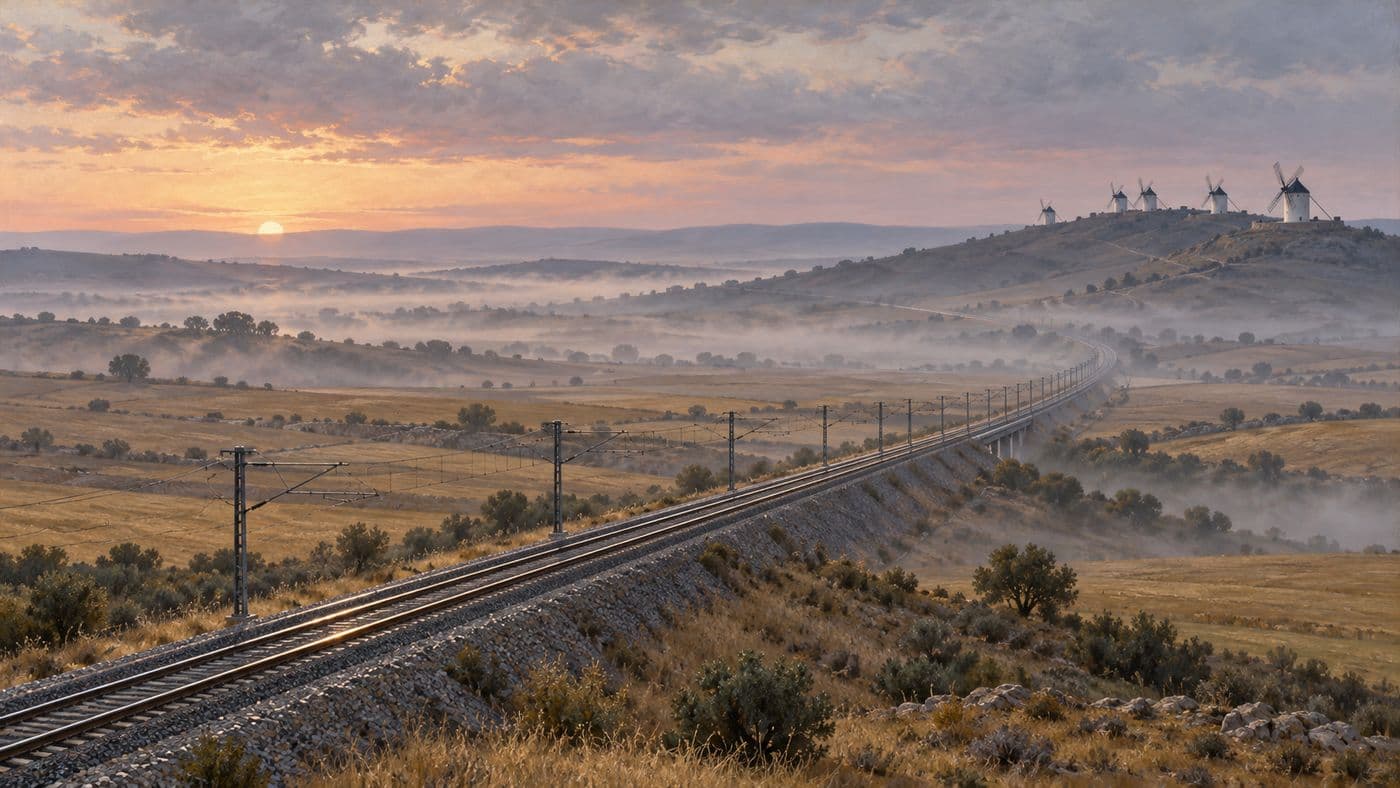
The crash happened on the line where Spain’s high-speed era began. The Madrid–Seville AVE line opened in 1992, in time for the Seville World’s Fair, and became a symbol of a modern, connected country. Spain went on to build one of the largest high-speed rail networks in the world, carrying tens of millions of passengers a year. Now the country is grieving the people lost on that same line and waiting for answers about how a single order could put two trains on a collision course. For the families of the victims, those answers can’t come soon enough.