October 1: The Record, the Park, the Night That Changed Las Vegas
October 1 has seen the full range of what human beings are capable of — the soaring and the devastating, the visionary and the unthinkable. A quiet man from Fargo, North Dakota stepped into a batter's box and hit a ball over a fence and into history. A president signed his name to legislation that protected millions of acres of wilderness from the machinery of progress. And on a warm Las Vegas night, a crowd gathered to hear music and found itself in the middle of the deadliest mass shooting in modern American history. Three dates, three reckonings — with records, with nature, and with each other.
61
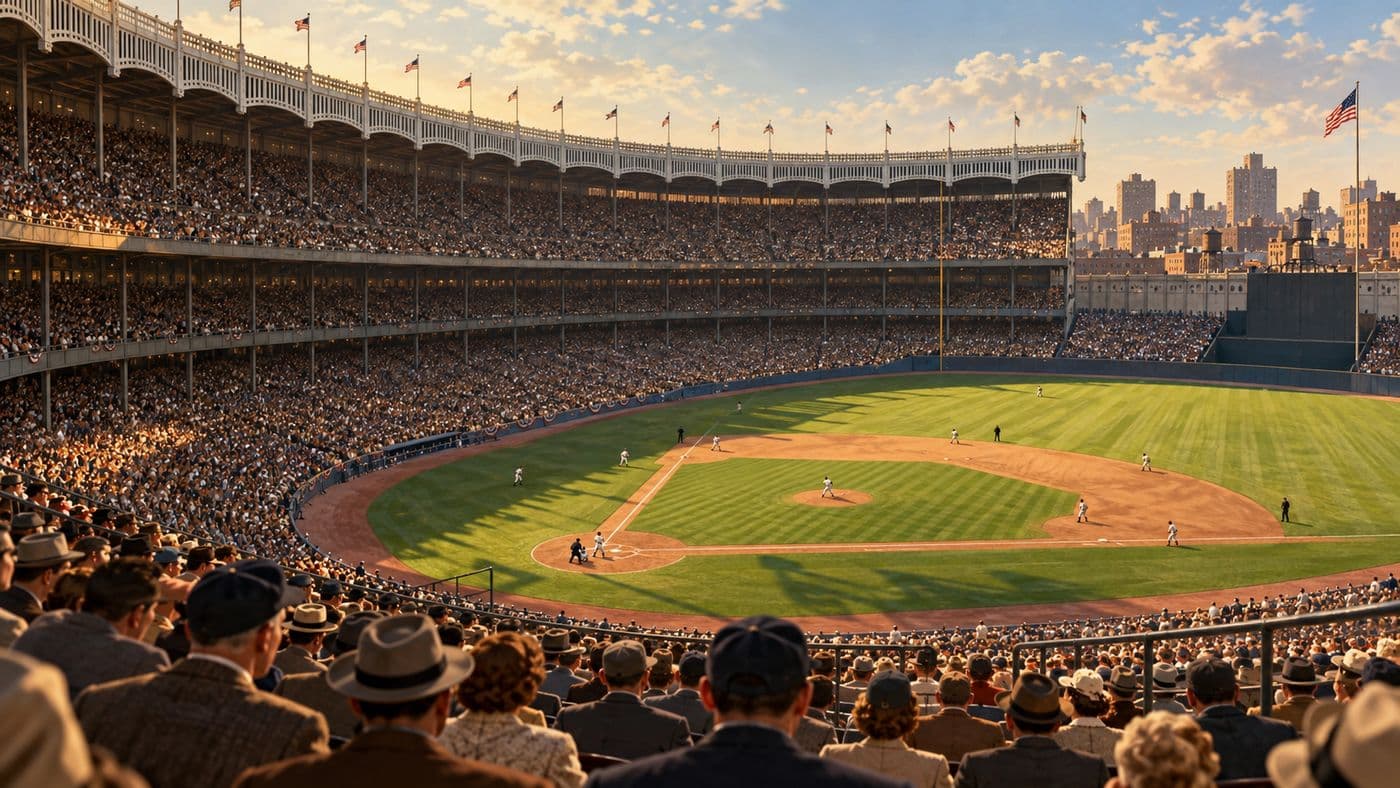
On October 1, 1961, Roger Maris stepped to the plate in the fourth inning of the final game of the season at Yankee Stadium, facing Boston Red Sox pitcher Tracy Stallard, and hit a fastball into the lower right-field stands. It was his 61st home run of the year — one more than Babe Ruth had hit in 1927 — and the stadium erupted. A record that had stood for thirty-four years, that had survived the careers of Jimmie Foxx and Hank Greenberg and Mickey Mantle and every other great slugger the game had produced, was gone. Maris circled the bases in characteristic fashion: head down, modest, uncomfortable with the enormity of what he had just done. A nineteen-year-old fan named Sal Durante caught the ball and was later paid $5,000 for it.
The achievement had come at a cost that no box score could capture. Maris had spent the entire season under a pressure so relentless that his hair had begun falling out in clumps. The chase had drawn comparisons to Ruth that Maris neither invited nor welcomed — he was a team player, a right fielder of exceptional skill, a man who wanted to play baseball and go home, not to be measured against a legend. Baseball Commissioner Ford Frick had ruled that if Maris broke the record in more than 154 games — Ruth's schedule — it would carry a "distinctive mark" in the record books, a barely concealed asterisk that shadowed his achievement for decades. The asterisk was finally removed from the official records in 1991. It had taken thirty years for baseball to simply say: sixty-one is more than sixty.
The Valley of Light
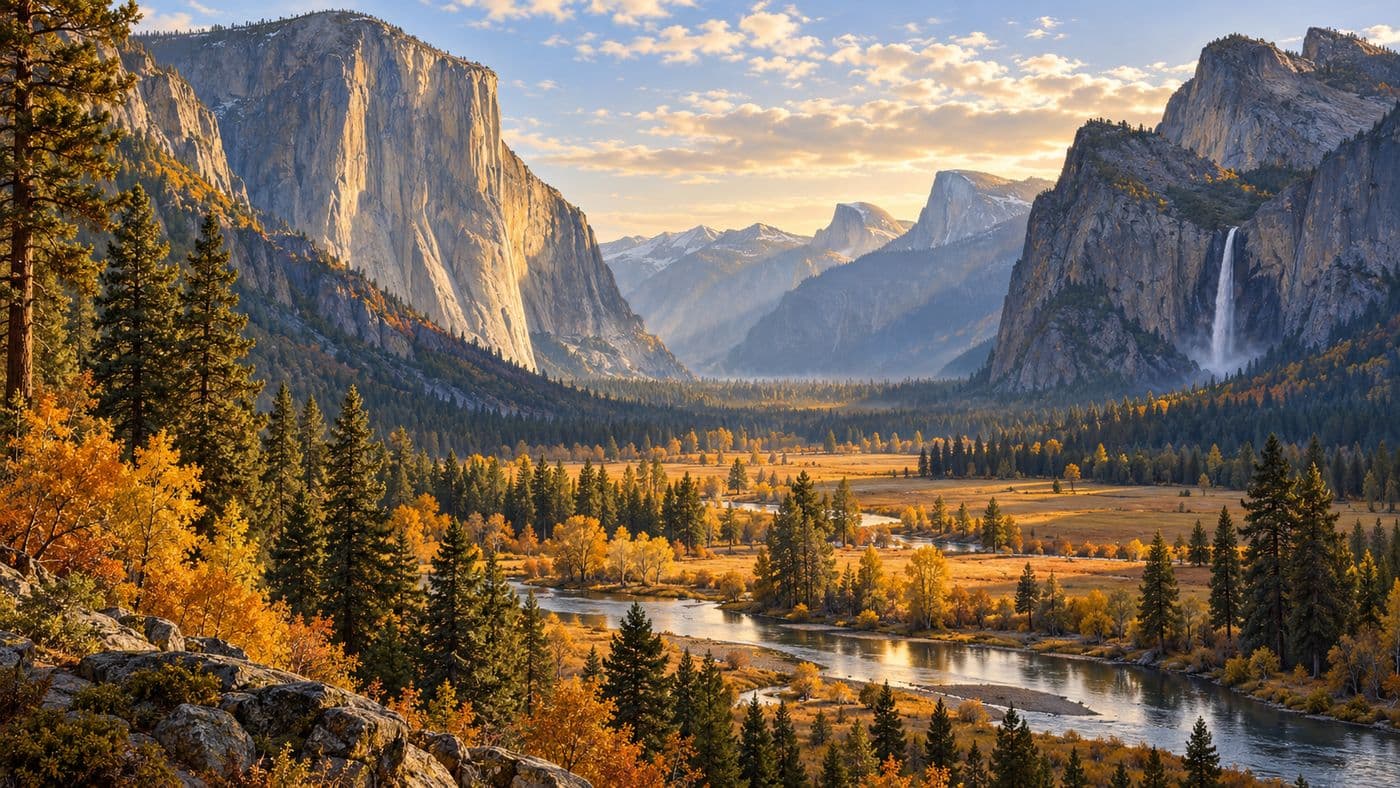
On October 1, 1890 — seventy-one years before Maris's home run and on the other side of the continent — President Benjamin Harrison signed the legislation that established Yosemite National Park, protecting roughly 1,500 square miles of the Sierra Nevada from development and setting aside one of the most extraordinary landscapes on the American continent for the permanent benefit of the public. The park encompassed the great granite valley that John Muir had spent years writing about and lobbying for — a landscape of vertical walls, ancient sequoias, and waterfalls that dropped thousands of feet — and its creation owed much to Muir's relentless advocacy and to the growing conviction, not yet common in 1890, that some places were worth more left alone than exploited.
Yosemite had already been granted to California for protection in 1864 — the first time the federal government had set aside land specifically for public use — but the state's stewardship had proven inadequate, allowing grazing and logging to damage the very landscapes the grant was meant to protect. Federal designation in 1890 gave the park real teeth. It also gave the American conservation movement its most powerful symbol — a place so magnificent and so clearly threatened that the argument for preservation could be made simply by pointing at it. The park Muir and Harrison saved in 1890 now draws more than four million visitors a year, and the philosophy it embodied — that wild places belong to everyone and to the future — became the foundation of the entire national park system.
Route 91
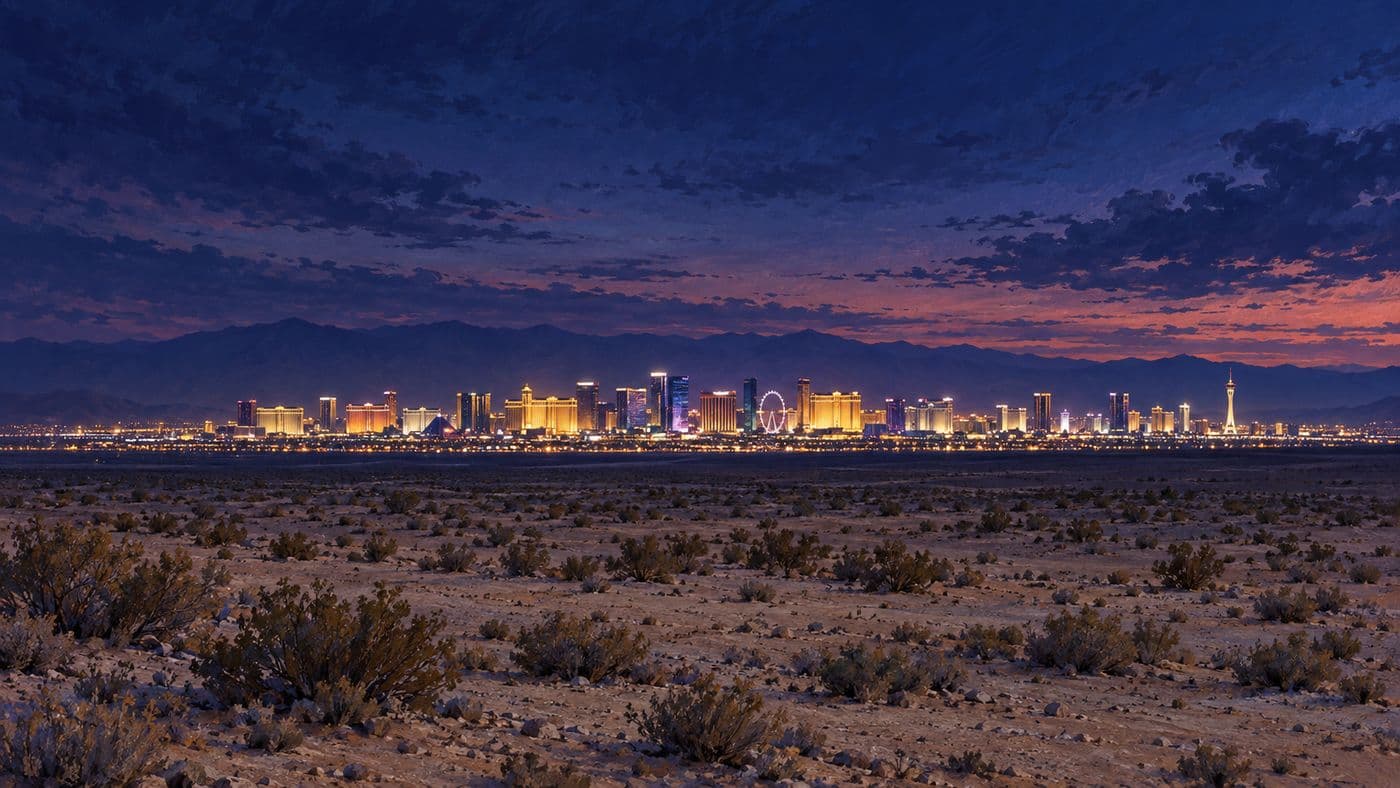
On the night of October 1, 2017, more than 22,000 people gathered on the Las Vegas Strip for the final evening of the Route 91 Harvest country music festival. At 10:05 p.m., as headliner Jason Aldean performed on the outdoor stage, gunfire erupted from the 32nd floor of the Mandalay Bay Resort and Casino. The shooter, 64-year-old Stephen Paddock, had amassed an arsenal in his hotel room over several days and opened fire into the crowd below, killing 60 people and injuring more than 400 others before taking his own life as law enforcement closed in. It was, and remains, the deadliest mass shooting in modern American history. Investigators found no clear motive. The city that had built its identity on the promise of escape found that there was no escaping this.
The response of Las Vegas in the days and weeks that followed revealed something about the city that its neon mythology had always obscured: an ordinary American community capable of extraordinary solidarity. Residents lined up for hours to donate blood. First responders ran toward the gunfire. Strangers carried the wounded in their arms to makeshift triage areas on the street. The city established a victims' fund that raised more than $31 million. In the years since, Las Vegas has memorialized October 1 with the same seriousness that other cities have memorialized their own days of loss — quietly, annually, and with the specific grief of people who were there. The festival grounds have been transformed. The Mandalay Bay has changed the designation of the 32nd floor. Some things, a city learns, cannot simply be moved past. They must be carried.