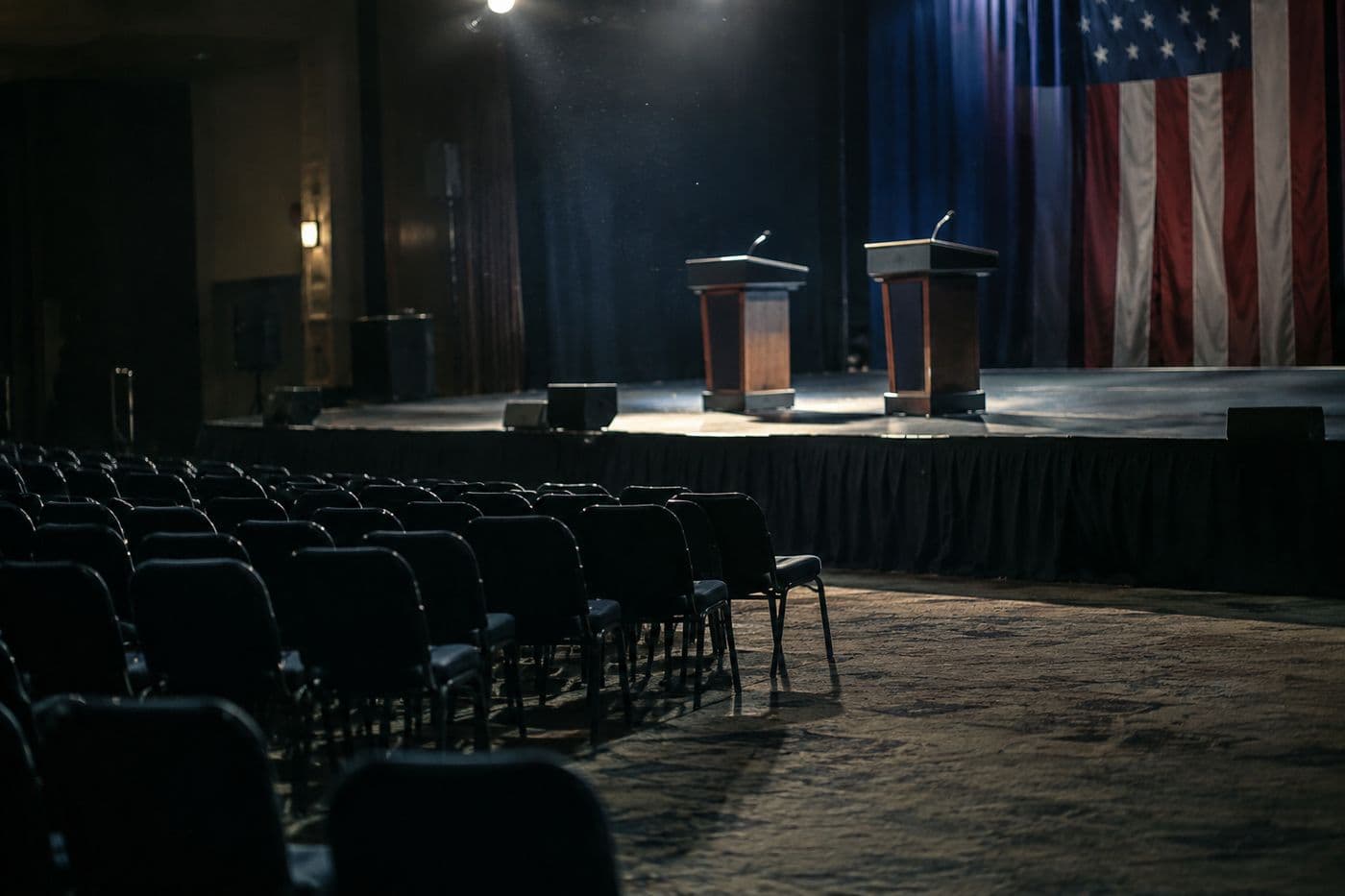
On October 2, 2008, Sarah Palin and Joe Biden Met for the Year's Only Vice Presidential Debate
On the night of October 2, 2008, with the country reeling from a collapsing financial system and a presidential race entering its final stretch, Republican vice presidential nominee Sarah Palin and Democratic nominee Joe Biden took the stage at Washington University in St. Louis for their one and only debate. Moderated by PBS journalist Gwen Ifill, the 90-minute face-off drew roughly 70 million television viewers, a record for a vice presidential debate, fueled in part by weeks of intense scrutiny over Palin's readiness for national office.
The Showdown
Palin, the little-known governor of Alaska tapped just weeks earlier by John McCain, arrived under enormous pressure after a string of halting network interviews had raised doubts about her preparedness. She opened by asking Ifill for permission to skip some questions and speak directly to voters, a move that set an informal, folksy tone she maintained throughout the night, repeatedly invoking phrases like "you betcha" and referring to herself as a hockey mom taking on Washington insiders. Biden, a fixture of the Senate since 1973 and chairman of the Foreign Relations Committee, leaned on decades of policy experience, walking through detailed positions on the Iraq War, healthcare, and the unfolding Wall Street crisis. The contrast in styles was immediate and stark, and it became the defining storyline of the night, overshadowing much of the actual substance exchanged on stage.
Both campaigns claimed victory afterward, but the debate's real legacy proved less about scorecards than survival: Palin had avoided the kind of on-camera stumble that critics feared, while Biden had kept his famous propensity for gaffes in check, at one point growing visibly emotional while discussing raising his sons alone after his first wife and daughter died in a car accident. Polls in the following days showed no dramatic shift in the presidential race, which Barack Obama and Biden would go on to win that November. Yet the debate remained a cultural touchstone for years afterward, remembered less for policy detail than for Tina Fey's uncanny impressions of Palin on Saturday Night Live, a reminder that in modern politics, performance can eclipse substance in the public memory.