
November 3: America Decides
It’s Election Day. Across the country, voters are choosing all 435 members of the House of Representatives and 35 U.S. senators, along with governors, state lawmakers, and local officials. Republicans currently hold the Senate 53–45, with two independents who caucus with Democrats, so a small number of races could decide which party controls Congress for the second half of President Donald Trump’s term. If you haven’t voted yet, find your polling place and hours at Vote.gov.
What’s at Stake
Several Senate races are drawing national attention. In Michigan, Republican Mike Rogers and Democrat Abdul El-Sayed are competing for an open seat in a race that took a dramatic turn on Sunday, when Democratic Rep. Haley Stevens, whom El-Sayed beat in the primary, endorsed Rogers. In Ohio, Republican Sen. Jon Husted faces Democrat Sherrod Brown. In Alaska, Republican Sen. Dan Sullivan faces Democrat Mary Peltola. In Kansas, Republican Sen. Roger Marshall faces an unexpectedly close challenge from Democrat Adam Hamilton. Both parties made their final arguments over the weekend: President Trump rallied in Iowa and Kansas, Vice President JD Vance campaigned in Ohio, and former President Barack Obama and former Vice President Kamala Harris headlined Democratic events in battleground states.
The final hours before the vote also brought major court decisions. On Monday, the U.S. Supreme Court quickly denied the Trump administration’s emergency request to force California to set aside about 20,000 mail-in ballots that the administration says may have been cast by noncitizens, a claim state officials dispute. The day before, a federal judge dismissed a Justice Department lawsuit that sought to block certification of Alaska’s Senate race if Sullivan loses; the department has said it will appeal. Voters are also heading to the polls with gas prices around $4.17 a gallon, according to AAA, on track to be the highest for any Election Day in U.S. history.
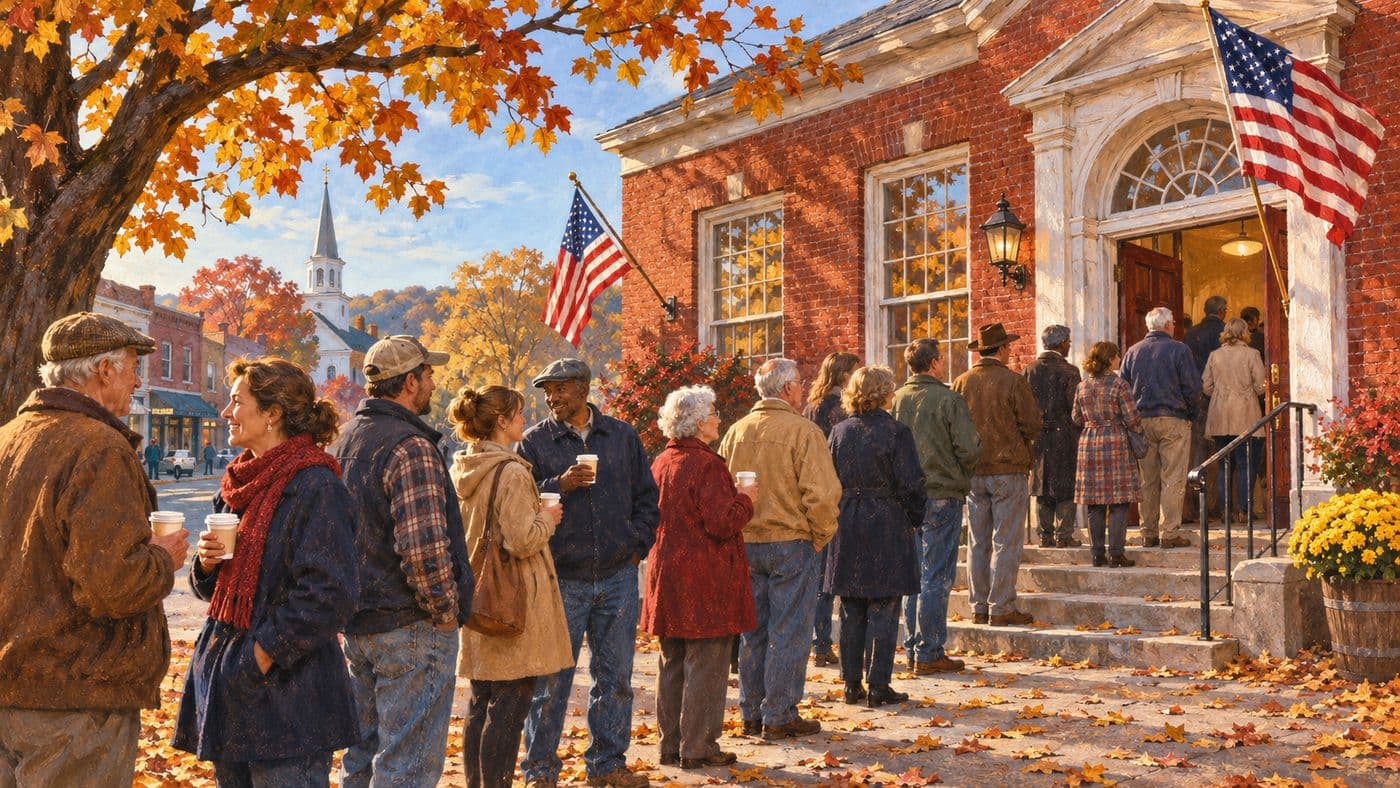
The date itself has history behind it. In 1845, Congress set federal elections for the Tuesday after the first Monday in November, a schedule designed for a farming nation: the harvest was finished, the winter weather hadn’t yet arrived, and voters could travel to the county seat without missing Sunday worship or Wednesday market day. More than 180 years later, the calendar is the same. History also suggests some patience: close races, mail ballots, and Alaska’s ranked-choice system mean some results may take days to finalize. Whoever wins, today is the day voters get their say.