
logo

Love Is a Practice of Space

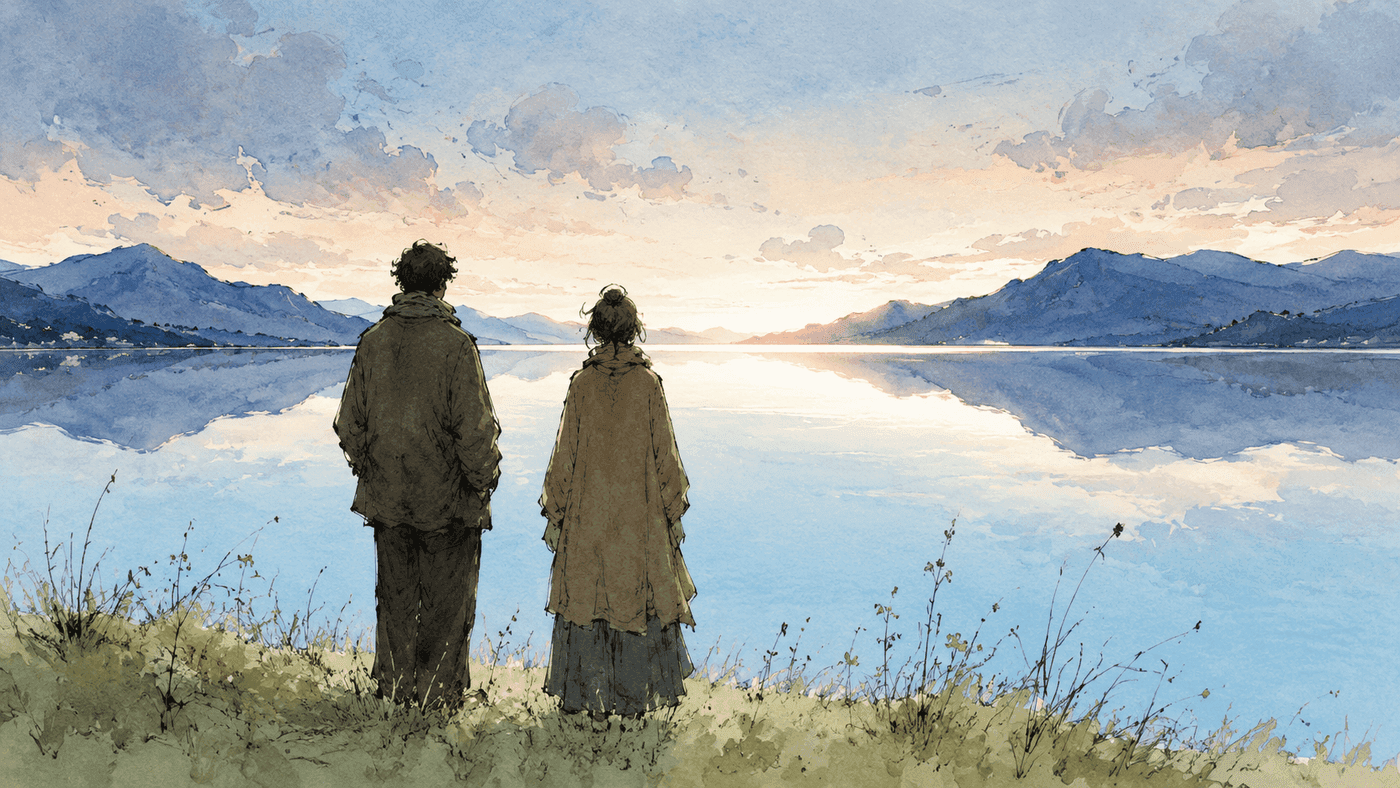
Inspirational image for quote

"Once the realization is accepted that even between the closest human beings infinite distances continue, a wonderful living side by side can grow."

— Rainer Maria Rilke

Rainer Maria Rilke (1875-1926) was a Bohemian-Austrian poet widely regarded as one of the greatest lyric poets of the German language. Born in Prague, he lived an itinerant life across Europe, supported by patrons and devoted to his art with an almost monastic commitment. His works — including the Duino Elegies, the Sonnets to Orpheus, and Letters to a Young Poet — explore solitude, beauty, love, suffering, and the interior life with a precision and depth that have made them enduring touchstones for artists, philosophers, and readers across generations. Letters to a Young Poet, a collection of advice written to an aspiring poet, remains one of the most widely read books about art, vocation, and how to live.

LOVE AND RELATIONSHIPS
ACCEPTANCE
CONNECTION

Context

Rilke wrote this in Letters to a Young Poet, a series of letters composed between 1903 and 1908 in response to a young military cadet who had written asking for advice about poetry and life. The passage on love is among the most counterintuitive things ever written on the subject. Most ideas about love focus on closeness, merger, shared understanding — the aspiration to be fully known. Rilke's argument runs the opposite direction: the health of a relationship depends not on closing the distance between two people but on learning to honor it. Two people who try to eliminate the space between them tend to lose themselves and each other in the effort. Two people who accept that distance as permanent and beautiful can stand side by side and look outward together without either one diminishing the other. It is not a consolation for failed intimacy. It is a higher definition of what intimacy can actually be.

Today's Mantra

I honor the distance between myself and those I love as part of what makes us real to each other.

Reflection Question

In your closest relationships, where do you feel the pressure to close a distance that may simply be part of who the other person is? What would change if you stopped treating that distance as a problem and started treating it as something to respect?

Application Tip

Think of someone close to you whose inner world you find genuinely opaque — a partner, a child, a parent, a friend. Rather than pressing to understand or explain them this week, try one conversation in which your only goal is to listen without interpreting. Ask one open question and then stay quiet long enough to let the full answer arrive. Rilke is not describing emotional distance. He is describing the particular kind of attention that allows another person to remain themselves while standing beside you — and that, he suggests, is where the best of love actually lives.