
The Knockout Game America Has Been Waiting 23 Years to Win
On June 17, 2002, in a gleaming stadium in Jeonju, South Korea, a 20-year-old Landon Donovan sprinted into the six-yard box in the 65th minute, got on the end of a perfect cross from Eddie Lewis, and headed the ball past Mexican goalkeeper Óscar Pérez to make it 2-0. The United States had beaten Mexico at a World Cup. They were through to the quarterfinals. The sound that came out of bars and living rooms and street corners across America that morning was unlike anything American soccer had produced before or has produced since. Tonight at 8 p.m. ET at San Francisco Bay Area Stadium in Santa Clara — in front of a nation watching on FOX and Telemundo — the U.S. Men's National Team has the chance to produce that sound again. Twenty-three years later, they are still waiting for their next knockout stage victory.
What 2002 Built — and What Has Stalled Since
The 2002 World Cup remains the high-water mark of American soccer history. The U.S. entered that tournament having qualified through one of the most emotionally charged campaigns in the sport's American history — qualifying matches played in the shadow of September 11, a team that carried a country's grief onto the field. In South Korea, they beat Portugal, drew with South Korea, and then dismantled Mexico 2-0 in the Round of 16 to reach the quarterfinals — the deepest run in American World Cup history. Germany beat them 1-0 in that quarterfinal, controversially, with referee Hugh Dallas missing a clear handball by German defender Torsten Frings that prevented what would have been a certain American equalizer. That near-miss has lived in the memory of American soccer fans for two decades. Since 2002, the U.S. has qualified for every World Cup, reached the knockout stage twice more — losing to Ghana in 2010, losing to Belgium in 2014 — and failed to qualify at all in 2018. In six knockout appearances across the tournament's modern history, the win over Mexico remains the only one. Tonight is the seventh chance.
The opponent is not one American fans know well — Bosnia and Herzegovina, making only their third World Cup appearance, having first qualified in 2014. But Bosnia are no soft touch: they qualified from a difficult group that included Belgium, and their squad includes Edin Džeko, the 39-year-old veteran striker whose club career has taken him from Manchester City to Roma to Fenerbahçe and who remains, even at this age, a dangerous presence in the box. What Bosnia lack is the particular burden that American soccer carries tonight — the weight of a nation hosting its first World Cup in 32 years, a generation of elite players who have spent their entire professional careers being told that this is the tournament that will prove American soccer has truly arrived, and 23 years of knockout stage futility to erase. The U.S. hasn't beaten a European nation since 2021. They haven't won a World Cup knockout game since Donovan's header. Both of those facts end tonight, or they extend into history.
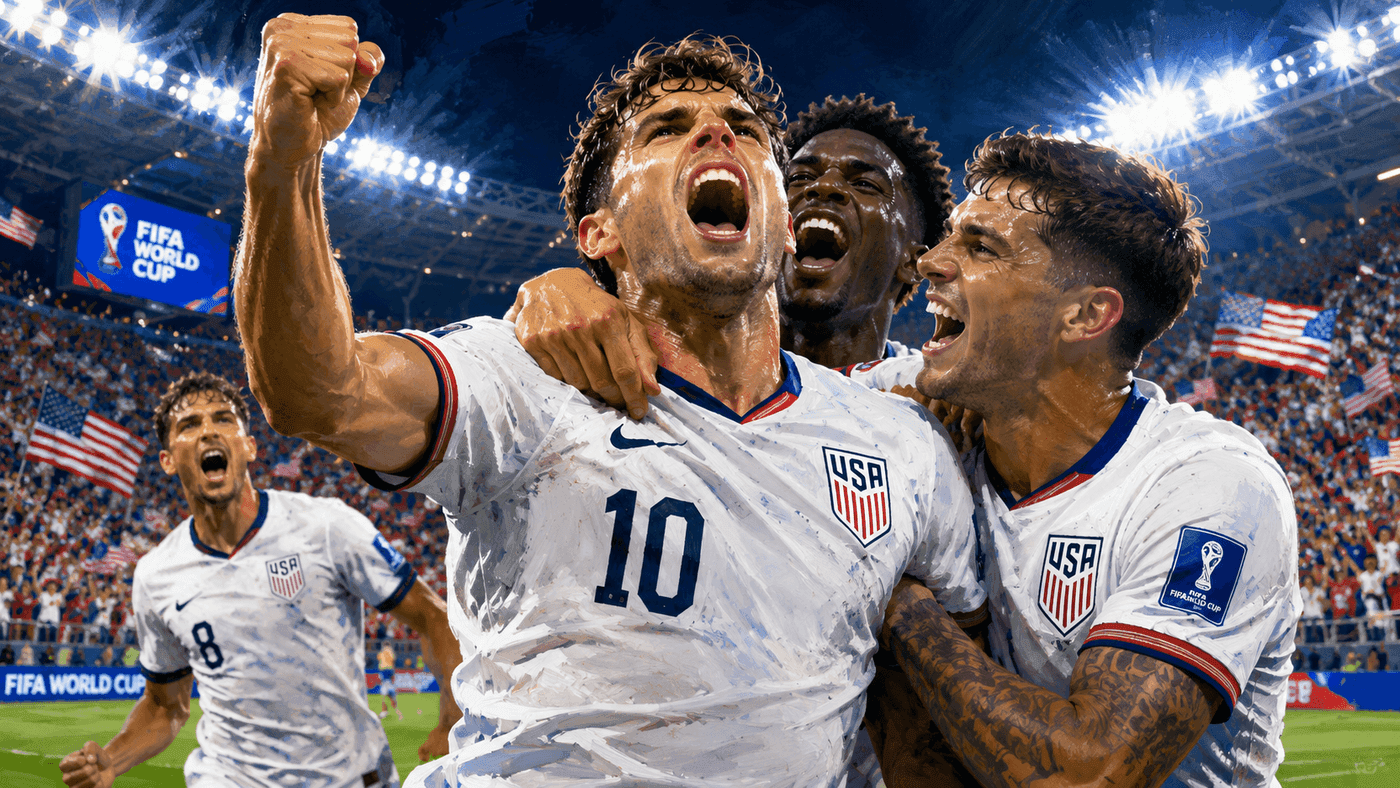
Christian Pulisic leads this American team onto the field tonight as captain — a player who was seven years old when Donovan headed that ball past Pérez in Jeonju. He has played in two previous World Cups without advancing past the group stage. Behind him is arguably the most talented American squad ever assembled: every player competing in the top flight of his domestic league, the average age of the starting eleven the lowest of any American team in recent history, the depth of professional quality at every position genuinely unprecedented. The question American soccer has been asking for two decades is whether any of that matters in a knockout game, in a stadium with 68,000 people and a nation watching, against an opponent with nothing to lose and everything to gain. Tonight, in Santa Clara, the question gets its answer. Kickoff is at 8 p.m. ET on FOX and Telemundo.