
logo

Harvest What You Plant

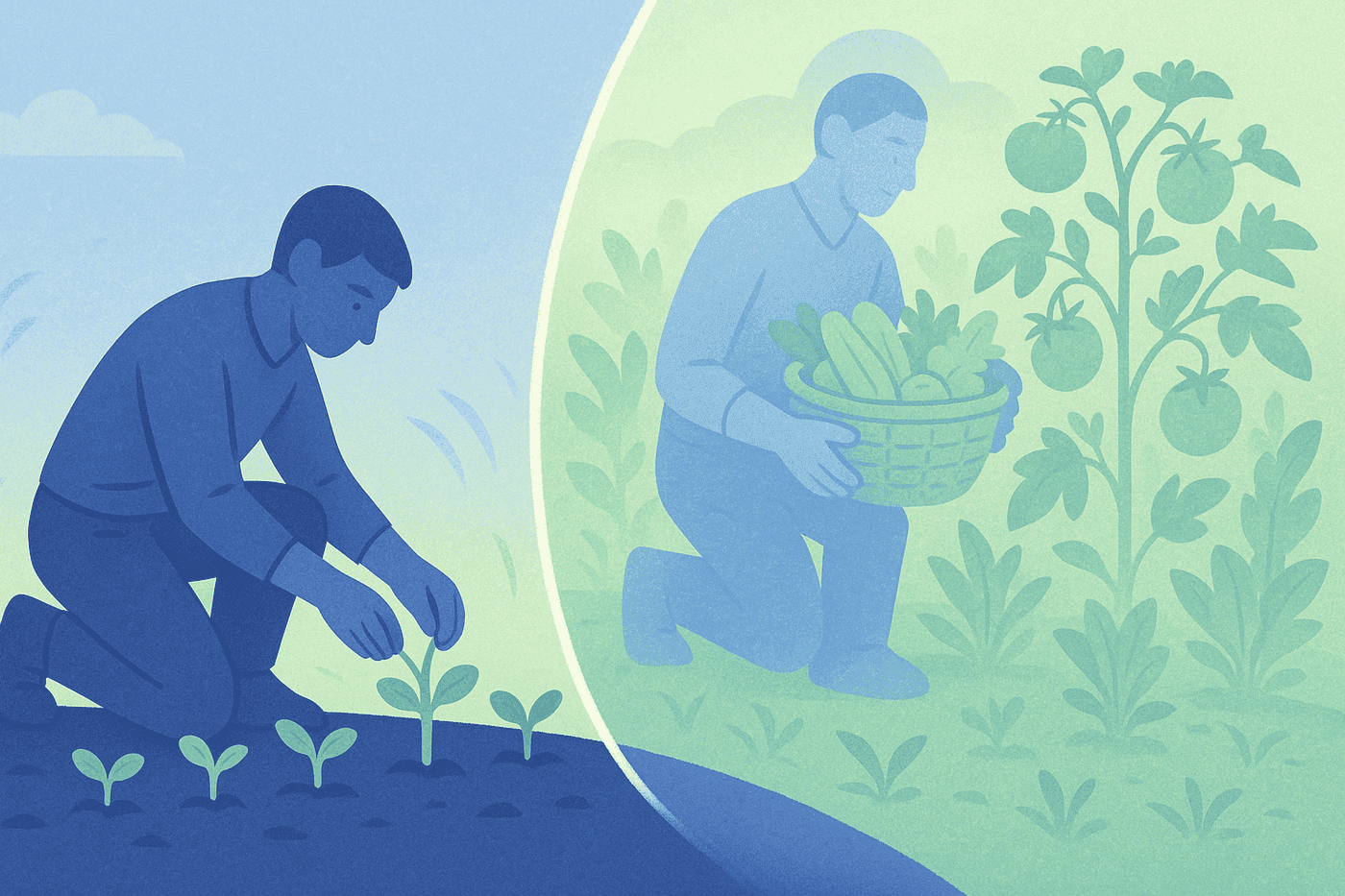
A visual metaphor showing a person carefully tending to small seedlings in a garden

"Always do your best. What you plant now, you will harvest later."

— Og Mandino

Og Mandino (1923-1996) was an American author and influential self-help guru whose books have sold over 50 million copies worldwide. His most famous work, "The Greatest Salesman in the World," uses parables to convey principles of success and happiness. Before becoming an author, Mandino faced significant personal struggles, including alcoholism and contemplating suicide following the failure of his first marriage and career setbacks. His own transformation came through reading success literature in libraries, which ultimately inspired his writing career. Mandino's works emphasize the power of habit, perseverance, and a positive mindset in creating lasting success.

SUCCESS AND LEADERSHIP
RESPONSIBILITY
PERSEVERANCE

Context

This quote combines two foundational principles from Mandino's philosophy of success. The first part—"Always do your best"—emphasizes the importance of consistent effort regardless of circumstances. For Mandino, "best" wasn't about perfection but about bringing full engagement to each task. The second part uses agricultural metaphor to illustrate that consequences follow actions, often with significant time delay. This perspective grew from Mandino's own life experience, where his early struggles with alcoholism yielded painful consequences, while his later disciplined writing habits eventually produced extraordinary success. The statement challenges instant gratification culture by highlighting that meaningful achievements require faith in processes whose results aren't immediately visible.

Today's Mantra

I plant seeds of excellence today, trusting in the future harvest they will yield.

Reflection Question

In what area of my life am I currently "planting seeds" that will yield future results, and how might the quality of my current efforts affect the eventual harvest?

Application Tip

Create a "Seed-to-Harvest Map" by identifying three areas where you're investing effort now for future returns—perhaps education, relationships, health, or skills development. For each area, define what "doing your best" specifically looks like in daily practice. Then identify potential "harvest indicators"—signs that would show your efforts are bearing fruit. Set calendar reminders at meaningful intervals (30/60/90 days) to evaluate these indicators and adjust your "planting" approach if needed. Additionally, identify someone who has harvested what you're seeking to grow, and learn about the quality and consistency of seeds they planted during their growth phase.