
logo

Failure's Valuable Lessons

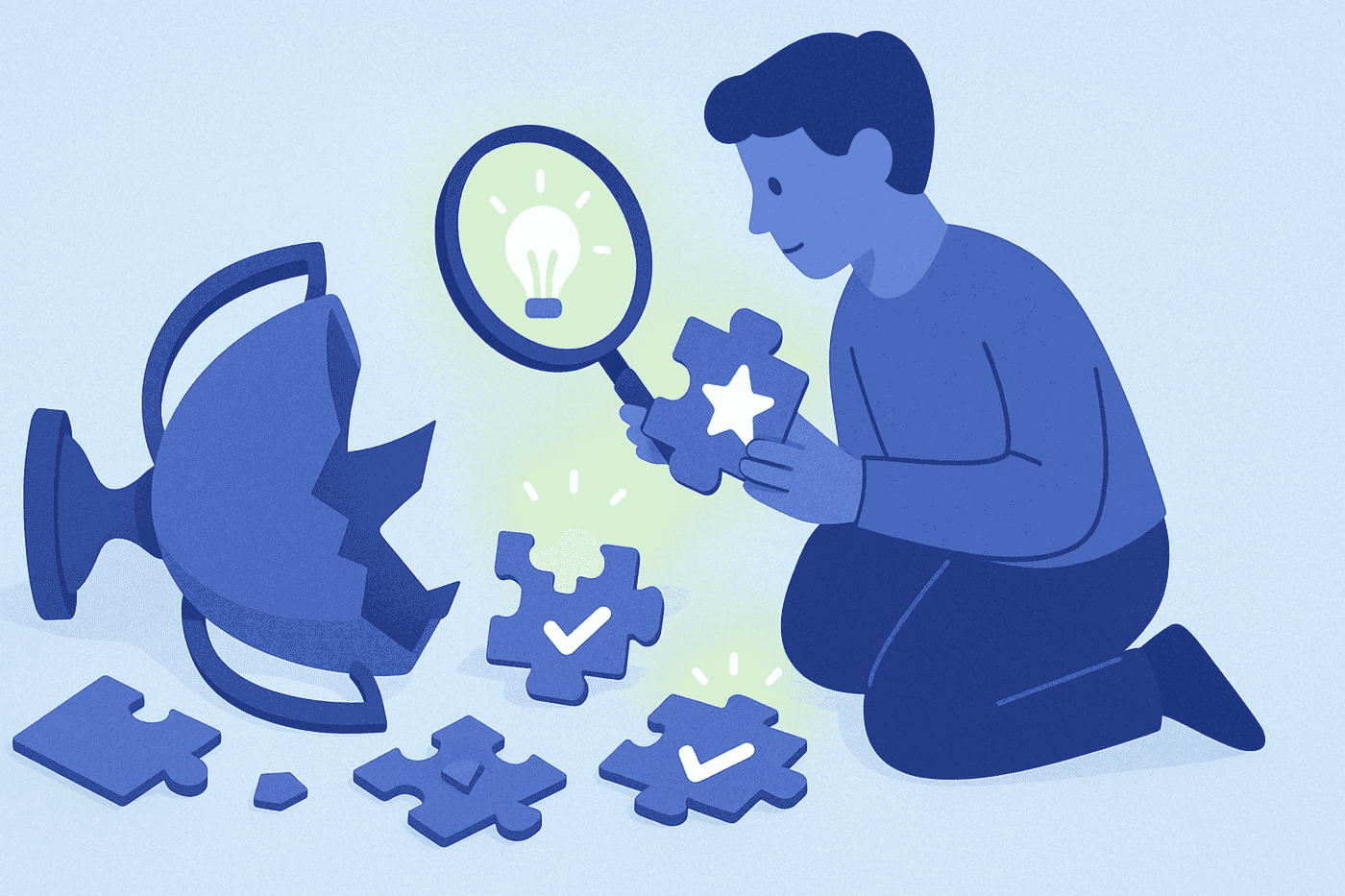
A person crouched in front of a broken trophy observing it and learning from the mistake

"It's fine to celebrate success, but it is more important to heed the lessons of failure."

— Bill Gates

Bill Gates is an American business magnate, software developer, investor, and philanthropist best known as the co-founder of Microsoft Corporation. Under his leadership, Microsoft grew from a small startup to the world's largest personal computer software company. Since stepping back from his day-to-day role at Microsoft, Gates has focused on global health, education, and poverty reduction through the Bill & Melinda Gates Foundation. His evolution from tech entrepreneur to leading philanthropist demonstrates his commitment to learning, adapting, and applying lessons from both successes and failures.

RESILIENCE AND COURAGE
GROWTH MINDSET
HUMILITY

Context

This quote reflects Gates' analytical approach to innovation and problem-solving. Despite Microsoft's tremendous success, Gates has spoken extensively about the company's missteps, including initially underestimating the internet and mobile computing. Rather than dwelling on achievements, Gates consistently emphasized rigorous analysis of what went wrong and why. This philosophy extends to his philanthropic work, where the Gates Foundation applies business-like metrics and learning from unsuccessful initiatives to maximize impact. The quote emphasizes that while success deserves recognition, the educational value of failure is ultimately more precious for continued growth and improvement.

Today's Mantra

I mine each setback for wisdom; failures are my most valuable teachers.

Reflection Question

What recent failure or disappointment am I trying to forget rather than analyze, and what three specific lessons could I extract from that experience to improve my future decisions?

Application Tip

Create a "Failure Resume" documenting your most significant setbacks and what each taught you. Update it whenever you face a new failure by answering three questions: What specifically went wrong? What assumptions did I make that proved incorrect? What will I do differently next time? Review this document before starting similar projects to prevent repeating mistakes and to recognize how past failures contributed to your current capabilities.