
Apple Finally Folds
Today, at Apple Park's Steve Jobs Theater, Apple unveiled the iPhone Duo, its long-rumored first foldable phone, priced at $1,999. It's the company's first genuinely new device form factor since the iPhone X arrived in 2017 — and it happens to be the first major product reveal under new CEO John Ternus, who took over from Tim Cook just over a week ago, on Apple's 50th anniversary year.
Late to the Fold, On Its Own Terms
Apple is arriving to the foldable phone category nearly seven years after Samsung's first Galaxy Fold, and years after Google, Motorola, and Huawei all built their own versions. That patience appears deliberate: rather than chase early foldables' well-documented flaws — visible creases, fragile hinges, awkward proportions — Apple spent years engineering a design compact enough, in the words of one hands-on reviewer, to close down "the size of a Pop-Tart." Early impressions from journalists granted hands-on access describe a device that folds shut into something closer to a stout wallet than a traditional smartphone, while opening into a display close to iPad mini territory.
The $1,999 price tag places the Duo firmly at the premium end of the smartphone market — nearly double Apple's standard flagship pricing — but positions it competitively against Samsung's own high-end foldables. For Ternus, the launch functions as an opening statement: after fifteen years of Tim Cook's operational and services-driven leadership, Apple's new chief executive, long known as the company's hardware chief, chose to make his debut behind the company's most ambitious hardware bet in nearly a decade.
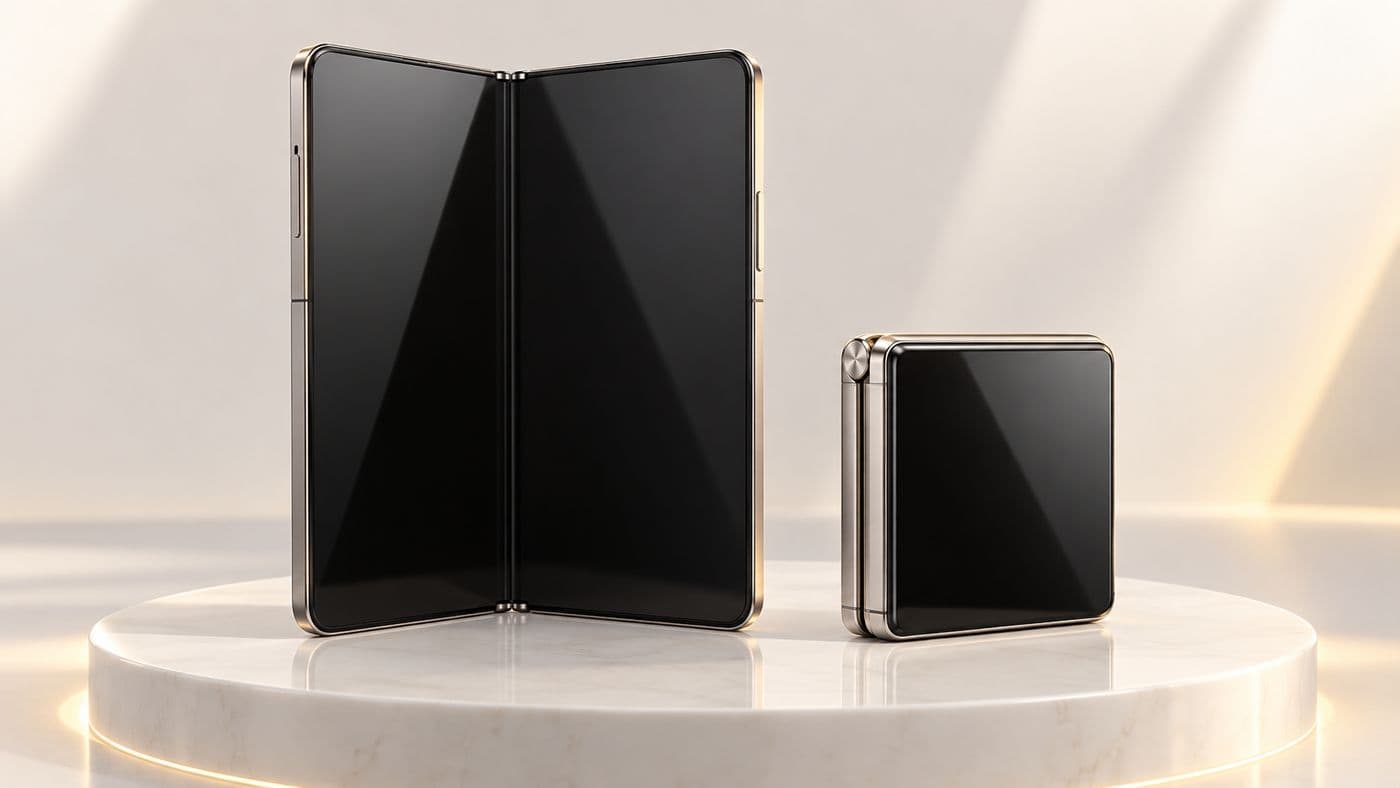
Apple has built a habit of entering categories late and reshaping them anyway — the iPod wasn't the first MP3 player, the iPhone wasn't the first smartphone, the Apple Watch wasn't the first smartwatch. Whether the Duo follows that pattern or simply joins an already crowded foldable market will play out over the coming months, as pre-orders open and reviewers put the hinge, the display, and the price tag through real-world use. Either way, it's a striking way for Apple's third CEO to begin.