
America's Last Long Weekend
Today marks the start of Labor Day weekend 2026, the holiday that has closed out the American summer for well over a century. This year the weekend arrives with a heavier heart than usual: it is the first since the deaths of two women who, in very different ways, reshaped American life — Dolly Parton, who died ten days ago, and Gloria Steinem, whose death was announced just this week. Both threads — the rest owed to working Americans, and the loss of two figures who spent their lives working for others — meet in a weekend that is equal parts celebration and reflection.
A Holiday Born From Struggle
Labor Day did not begin as a cookout. It began as a demand. In the late 19th century, American workers — many of them children, most of them working twelve-hour days, six or seven days a week, in factories and mines with few protections — organized the country's first major labor unions to fight for basic dignity: an eight-hour day, safer conditions, the right to organize at all. The first Labor Day parade was held in New York City on September 5, 1882, organized by the Central Labor Union, with workers marching through Manhattan on their own unpaid day off to demand recognition. It took twelve more years, and the deadly 1894 Pullman Strike — which President Grover Cleveland ended by sending federal troops to break it, killing dozens of workers — before Congress rushed through legislation making Labor Day a federal holiday, six days after the strike ended, in what many historians view as a conciliatory gesture toward an angry labor movement.
More than 130 years later, the holiday's origins feel less like history than headline. Labor organizing, strikes, and fights over wages and workplace conditions remain very much alive in the American conversation. And this weekend, that thread of struggle and recognition sits alongside two other American stories now closed: Dolly Parton, born into rural Appalachian poverty who spent a lifetime giving back through her Imagination Library and her music, died August 25 at 80. Gloria Steinem, who spent her career fighting for the economic and political standing of American women, died this week at 92. Both, in their own ways, spent their lives arguing that ordinary people — workers, women, the overlooked — deserved to be seen and valued. It is not a coincidence that a holiday built on exactly that argument now carries their memory into this weekend.
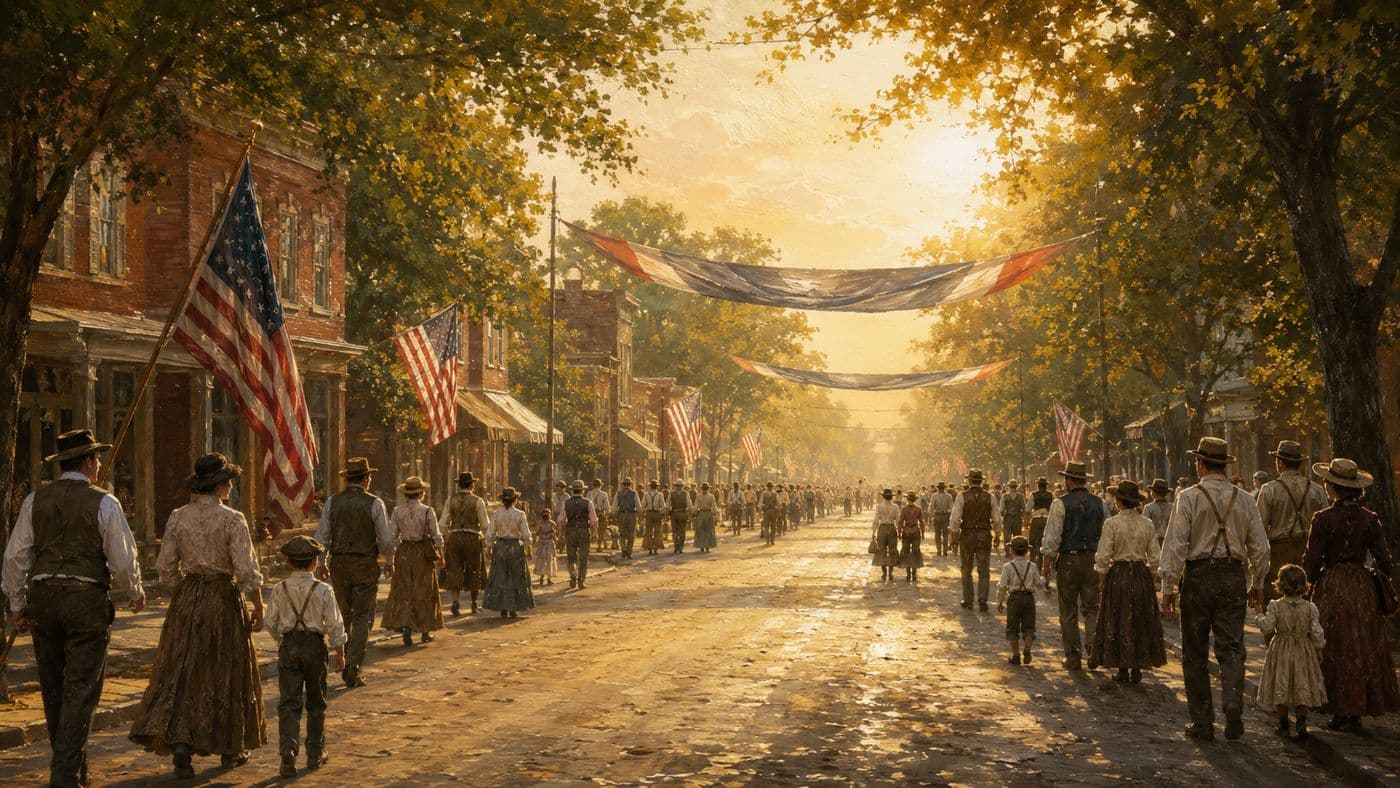
Monday's holiday will bring the usual rituals — the last barbecues, the last trips to the lake, the quiet turning of the calendar toward fall. But this year's version of that ritual carries a little more weight than most, a weekend to rest, to remember, and to consider what's owed to the people — factory workers in 1882, entertainers, activists — who spend their lives giving something to everyone else.