
logo

Action Beats Hesitation

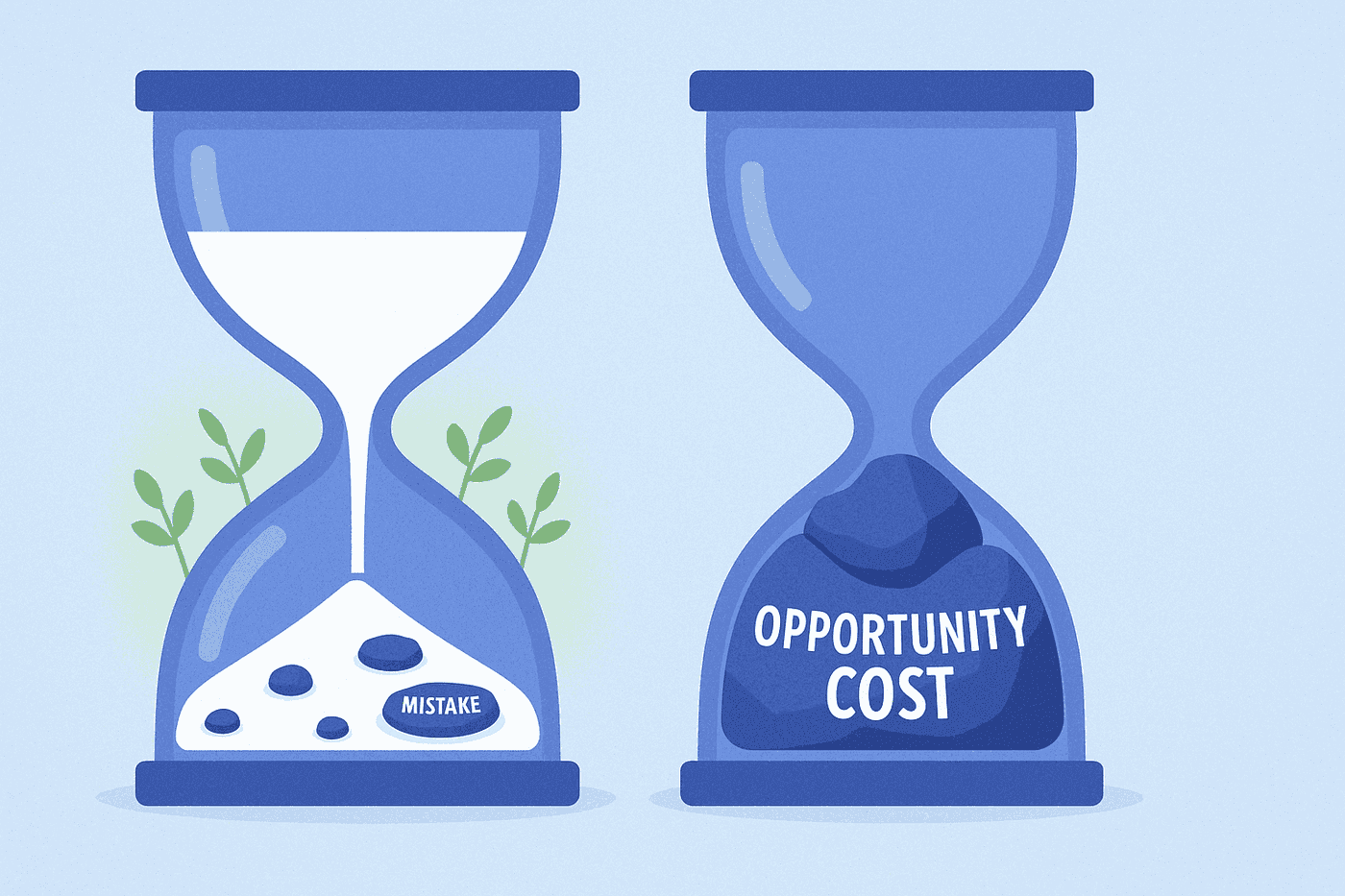
Two hour glasses next to each other, one flowing and one clogged by a rock titled opportunity cost

"The price of inaction is far greater than the cost of a mistake."

— Meg Whitman

Meg Whitman is an American business executive who has led several major corporations, most notably serving as President and CEO of eBay from 1998 to 2008, during which time she grew the company from 30 employees and $4 million in annual revenue to more than 15,000 employees and $8 billion in annual revenue. She later served as CEO of Hewlett-Packard and Hewlett Packard Enterprise, and held executive positions at Disney, DreamWorks, Procter & Gamble, and Hasbro. Her career exemplifies decisive leadership and the ability to drive growth through strategic action.

SUCCESS AND LEADERSHIP
DECISIVENESS
COURAGE

Context

This quote emerged from Whitman's experience leading eBay through explosive growth during a transformative period for internet businesses. In fast-changing environments, she observed that waiting for perfect information often meant missing crucial opportunities. The statement reframes how we think about risk—suggesting that we typically overvalue the cost of potential mistakes while undervaluing the enormous opportunity costs of inaction. During her leadership at eBay and other companies, Whitman developed a reputation for decisiveness and recognized that organizations often suffer more from paralysis than from well-intentioned missteps. The quote encourages calculated risk-taking and reminds us that mistakes can be corrected, but lost opportunities rarely return.

Today's Mantra

I choose imperfect action over perfect inaction; movement creates opportunity.

Reflection Question

What important decision or action have I been postponing out of fear of making a mistake, and what opportunities might I be losing through this delay?

Application Tip

Apply the "70% Rule" to decisions you've been postponing: When you have 70% of the information you need and feel 70% confident in a direction, act decisively rather than waiting for perfect certainty. For one delayed decision, calculate both the potential cost of making a mistake AND the opportunity cost of continued inaction. Create a simple "mistake recovery plan" to address the worst-case scenario, then commit to moving forward within 48 hours.