
A World in Session, Before the World Arrives
Today marks the start of Global Goals Week, a nine-day mobilization by civil society groups, businesses, and UN agencies pushing progress on the Sustainable Development Goals, running through September 27 in New York. It's the quieter opening act of a much larger diplomatic season: the 81st UN General Assembly, which formally opened September 8, builds toward its high-level week later this month, when heads of state and government arrive in force to address a world facing an unusually crowded set of crises.
The Calm Before the General Debate
World leaders won't formally take the podium until the General Debate begins September 22 and runs through September 28, presided over this session by Khalilur Rahman of Bangladesh, under the theme "Restoring Trust, Managing Transformation." But when they do arrive, they'll be stepping into an assembly hall carrying more live crises than most recent sessions: the ongoing U.S.-Iran war and its ripple effects on global energy markets, the continuing war in Ukraine, and mounting pressure on climate finance and adaptation for vulnerable nations, all competing for space on an already packed agenda.
Layered on top of this year's crises is a genuinely historic institutional moment: the selection of the UN's tenth Secretary-General, to succeed António Guterres when his term ends December 31. Eight candidates, all from Latin America or Africa under the UN's informal regional rotation, have spent the summer campaigning through public dialogues and Security Council straw polls, with Costa Rica's Rebeca Grynspan and Argentina's Rafael Grossi emerging as early frontrunners. If successful, either Grynspan or fellow candidate Michelle Bachelet of Chile would become the first woman to lead the organization in its 80-year history. The Security Council must still reach consensus among its five veto-holding permanent members before sending a nominee to the General Assembly for final approval — a process that has derailed past candidacies and is unlikely to resolve quietly this time either.
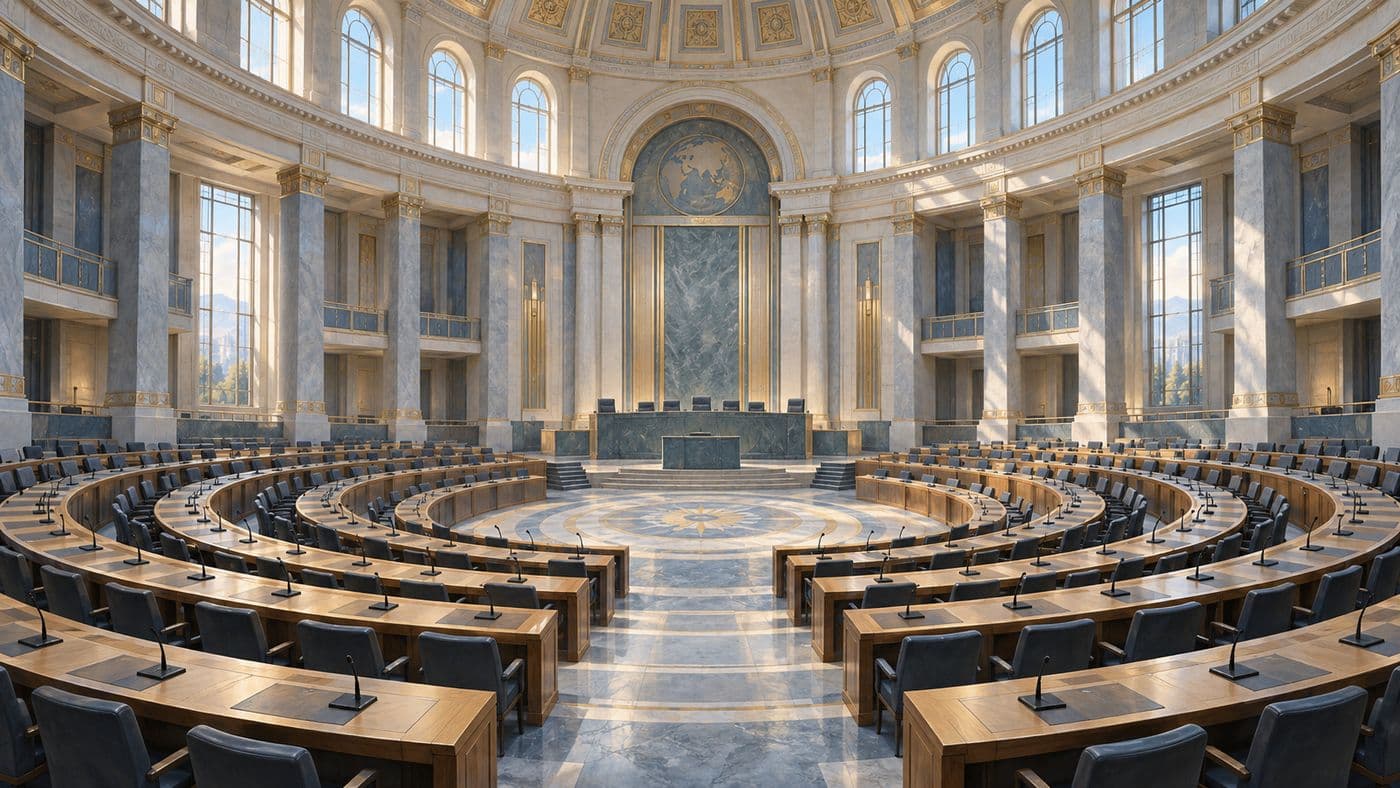
The UN General Assembly has convened through wars, pandemics, and financial collapses since 1946, and every session carries the same basic tension: nearly 200 nations, wildly different interests, gathered in one room and asked to find common ground anyway. This year adds an active war involving a permanent Security Council member's closest ally, a leadership transition at the very top of the institution, and a global mood, by most diplomatic accounts, running short on patience for process over results. Global Goals Week is meant to remind the world what multilateral cooperation can still accomplish. Whether that spirit survives contact with the General Debate later this month is, as always, the real story worth watching.